How to Choose Cookware Without the Overwhelm (What Actually Matters)
Choosing the right cookware doesn’t have to be overwhelming. This simple guide breaks down what really matters - from materials to everyday use - so you can build a kitchen that works for your real life, one piece at a time.
You Just Want to Cook Dinner… Not Research Pans
Most of us don’t start out thinking about cookware.
We just want something that works.
Something that doesn’t stick.
Something that’s easy to clean.
Something we don’t have to think about too much.
But then you start hearing things.
- About coatings.
- About metals.
- About what happens when things get scratched or overheated.
And suddenly, something as simple as making dinner starts to feel… complicated.
And it’s not just the pan.
It’s the dish soap.
The scrubber.
What you’re washing everything with afterward.
This isn’t about turning your kitchen upside down.
It’s just about understanding what actually matters… so you can make decisions without second-guessing every part of your routine.
Why Cookware Matters More Than You Think
Most of your cookware touches two things:
Heat and food.
That combination matters.
Because when materials are exposed to high heat… especially over and over again, they can change. And depending on what they’re made of, that can affect what comes into contact with your food.
And then there’s everything that comes after.
- What you clean it with.
- What it sits in.
- What it’s exposed to day after day.
This doesn’t mean everything is dangerous.
It just means the kitchen is one of those everyday places where small choices quietly add up over time.
The Cookware Most People Start Questioning
For a lot of people, this conversation starts with non-stick pans.
They’re popular for a reason.
- They’re easy.
- They’re convenient.
- They make cooking feel simpler.
But over time, especially with high heat or wear and tear, those coatings can break down.
And that’s usually the moment people start wondering if there’s a better option.
Not out of fear.
Just out of curiosity.
What to Look for Instead (Simple, Not Perfect)
If you’re starting to rethink your cookware, you don’t need to memorize every material.
There is a simpler way to approach it.
Look for materials that are:
- stable under heat
- simple in composition
- used traditionally
That’s why many people naturally move toward options like:
- Stainless steel
- Cast iron
- Glass or ceramic bakeware
Not because they’re trendy.
But because they’ve been used for a long time… and people understand how they behave.
What About “Healthy” or “Non-Toxic” Labels?
This is where things can get confusing.
Because a lot of cookware is marketed as:
- “safe”
- “green”
- “non-toxic”
And sometimes that’s helpful.
But sometimes it just adds more noise.
Instead of focusing on labels, it’s often more helpful to ask:
- What is this actually made of?
- How does it handle heat?
- What happens when it wears down?
Simple questions tend to give clearer answers.
You Don’t Need to Replace Everything
This is where most people get stuck.
They learn something new… and feel like they need to fix everything immediately.
You don’t.
A more realistic approach:
• Replace pieces as they wear out
• Start with what you use the most
• Pay attention to high-heat cooking
The same goes for everything around your cookware, too.
You don’t need to swap every cleaning product overnight.
But as things run out, you might start choosing simpler options, like a dish soap bar instead of a bottle, or a more straightforward dishwasher detergent without all the extras.
Small changes. Same routine.
The Pieces That Matter Most
If you’re going to start somewhere, focus on:
- The pan you use every day
- Anything used on high heat
- Anything that’s scratched, chipped, or worn
And then think about what touches those items daily.
What you scrub them with.
What you wash them in.
Even something as simple as switching to a wooden or bamboo scraper instead of a plastic one can be an easy upgrade that you’ll use constantly.
Small Shifts That Feel Manageable
Some of the simplest changes people make:
• Swapping one non-stick pan for stainless steel
• Adding a cast iron skillet for everyday meals
• Using glass bakeware instead of coated pans
And then layering in a few supporting swaps:
• A dish soap bar instead of liquid soap in a plastic bottle
• A simple dishwasher detergent instead of pods
• A reusable scraper instead of plastic tools
These aren’t big changes.
They’re just small upgrades that make your kitchen feel a little more intentional.
What This Looks Like in Real Life
This isn’t about having a “perfect” kitchen.
It’s about cooking dinner without that little voice in the back of your head wondering if something could be better.
It’s about feeling confident in what you’re using… and what you’re cleaning with… without overthinking it.
And most of the time, that comes from a few small, intentional changes… not a complete overhaul.
Sometimes it even looks like simplifying everything at once, using a cleaning routine that works across your kitchen instead of a dozen different products.
A Simpler Way to Think About It
Cookware doesn’t have to be complicated.
You don’t need to research every option.
You don’t need to panic about what you already own.
You just need to understand enough to make better choices over time.
That’s it.
Better, Not Perfect
There’s no such thing as perfect when it comes to your home.
Only better.
Better information.
Better choices.
Better over time.
And that’s more than enough.
Recommended for You:
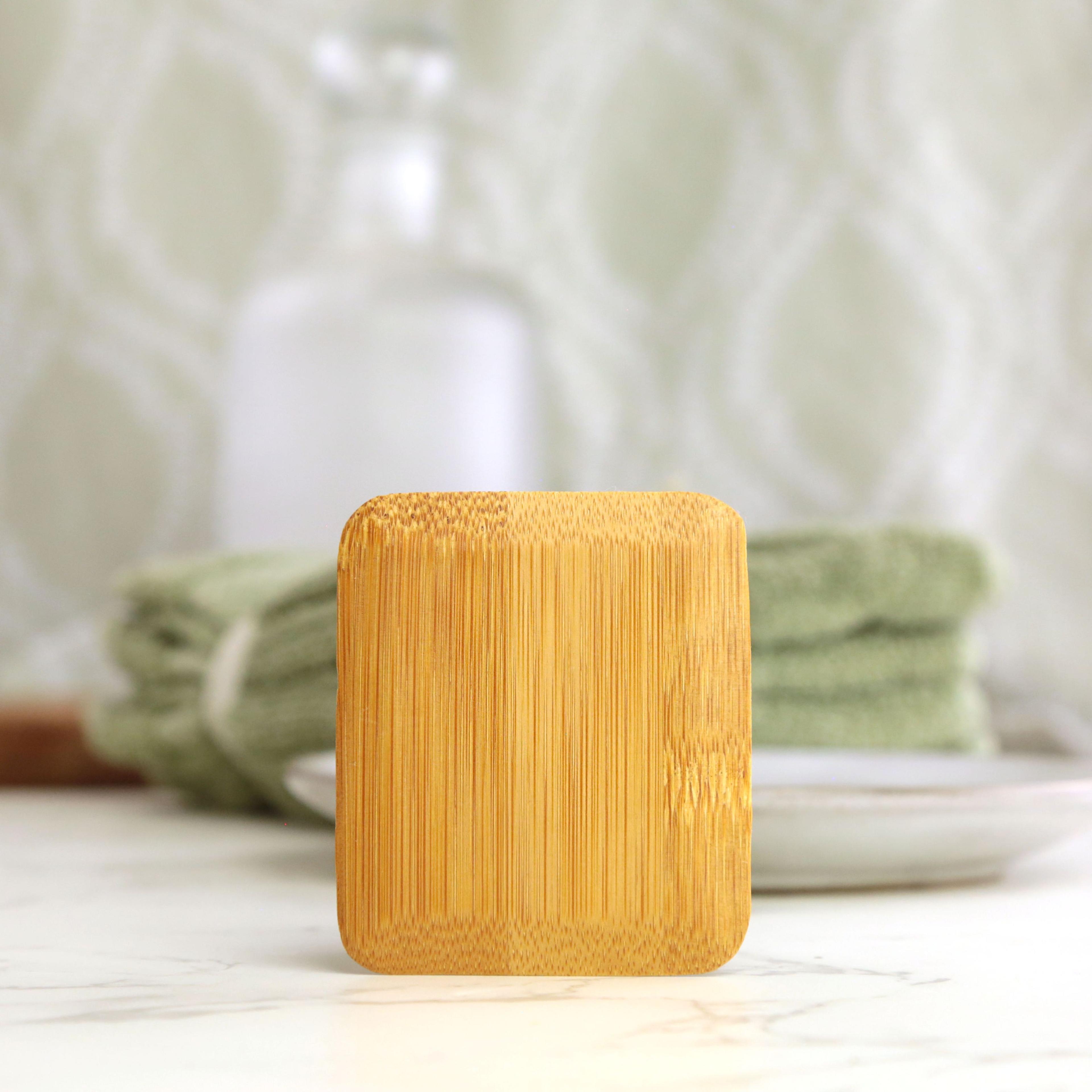
Eco-friendly, compostable, and gentle on cookware
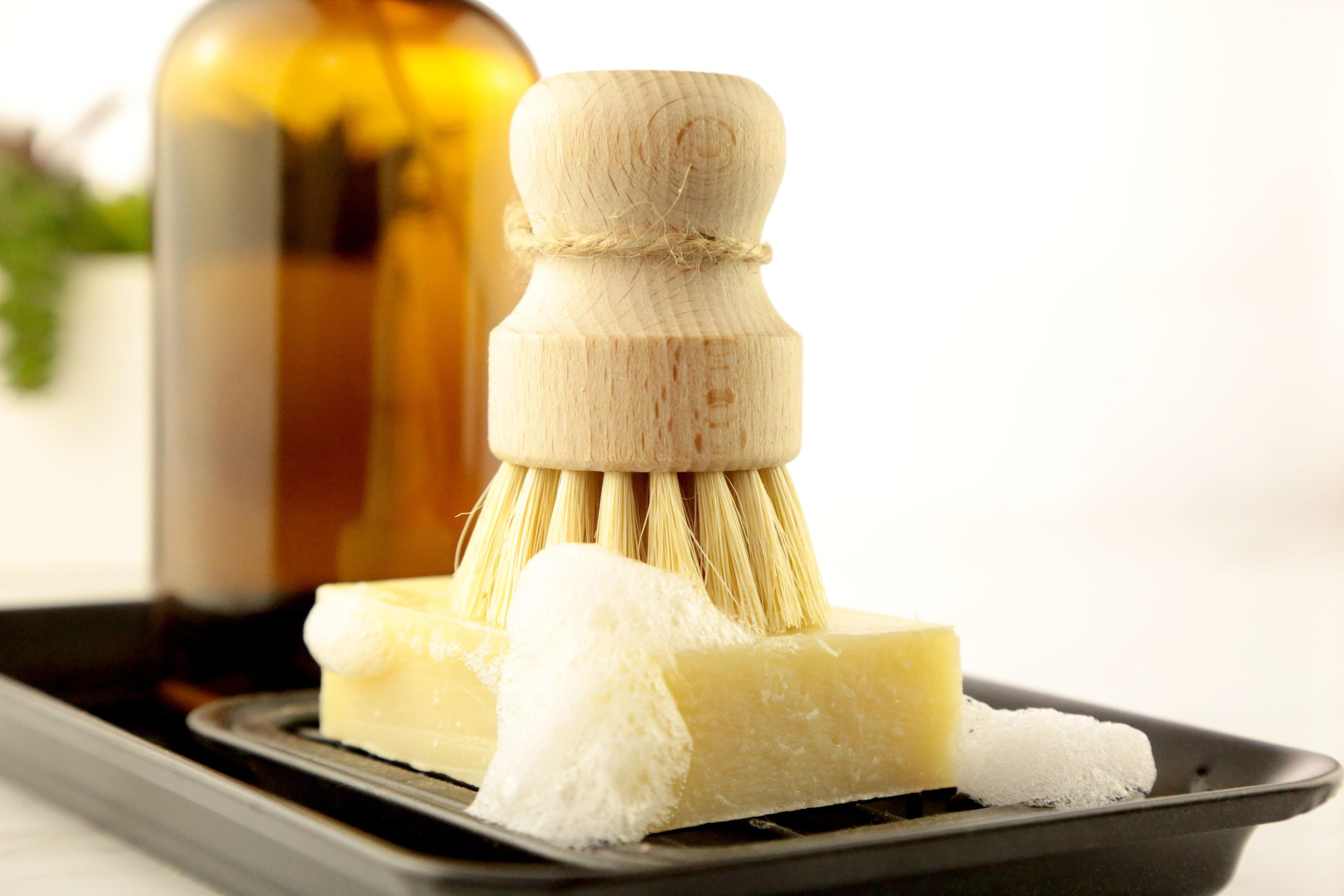

A pure, low-waste clean for dishes
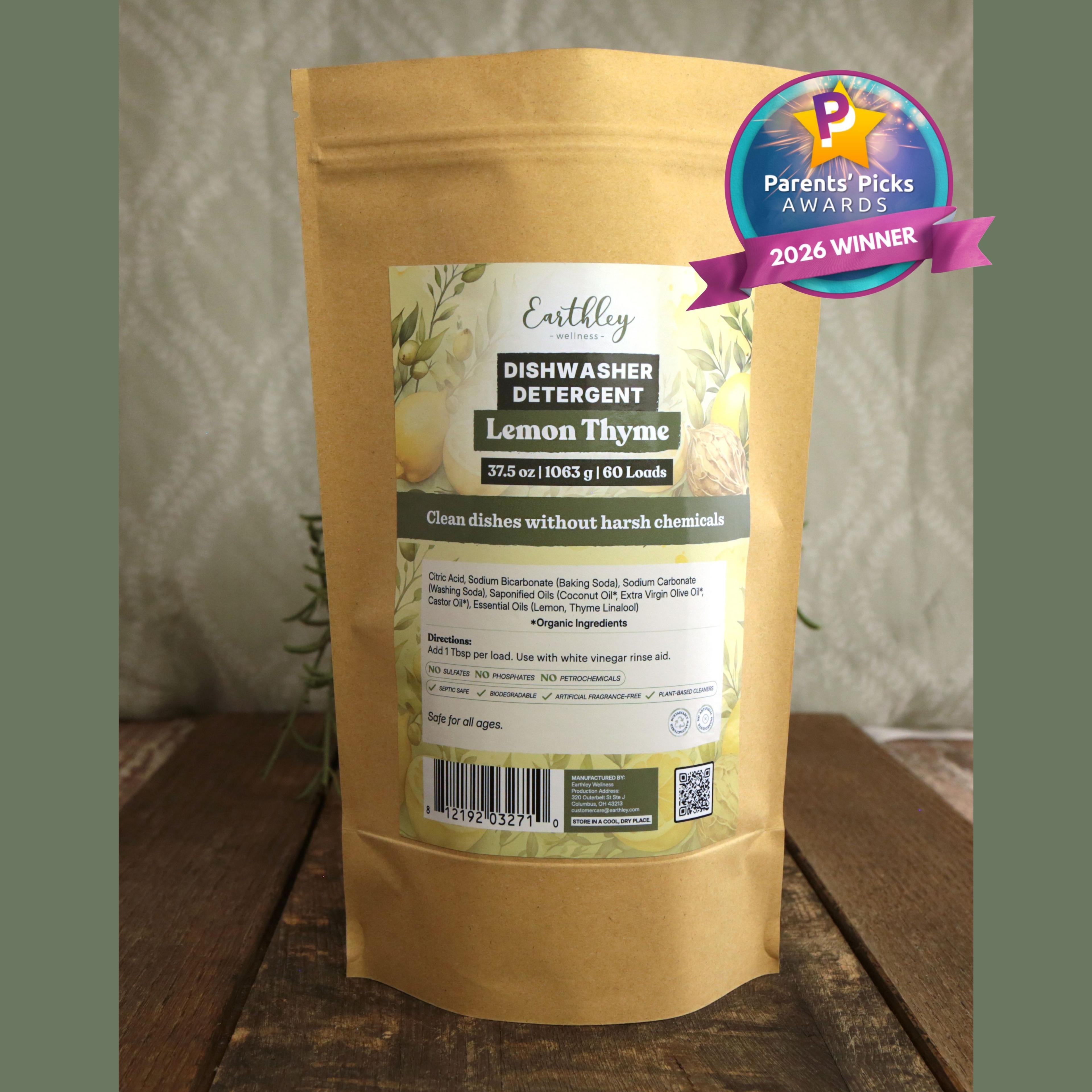
Clean dishes without harsh chemicals

Healthy from-scratch recipes and kitchen basics

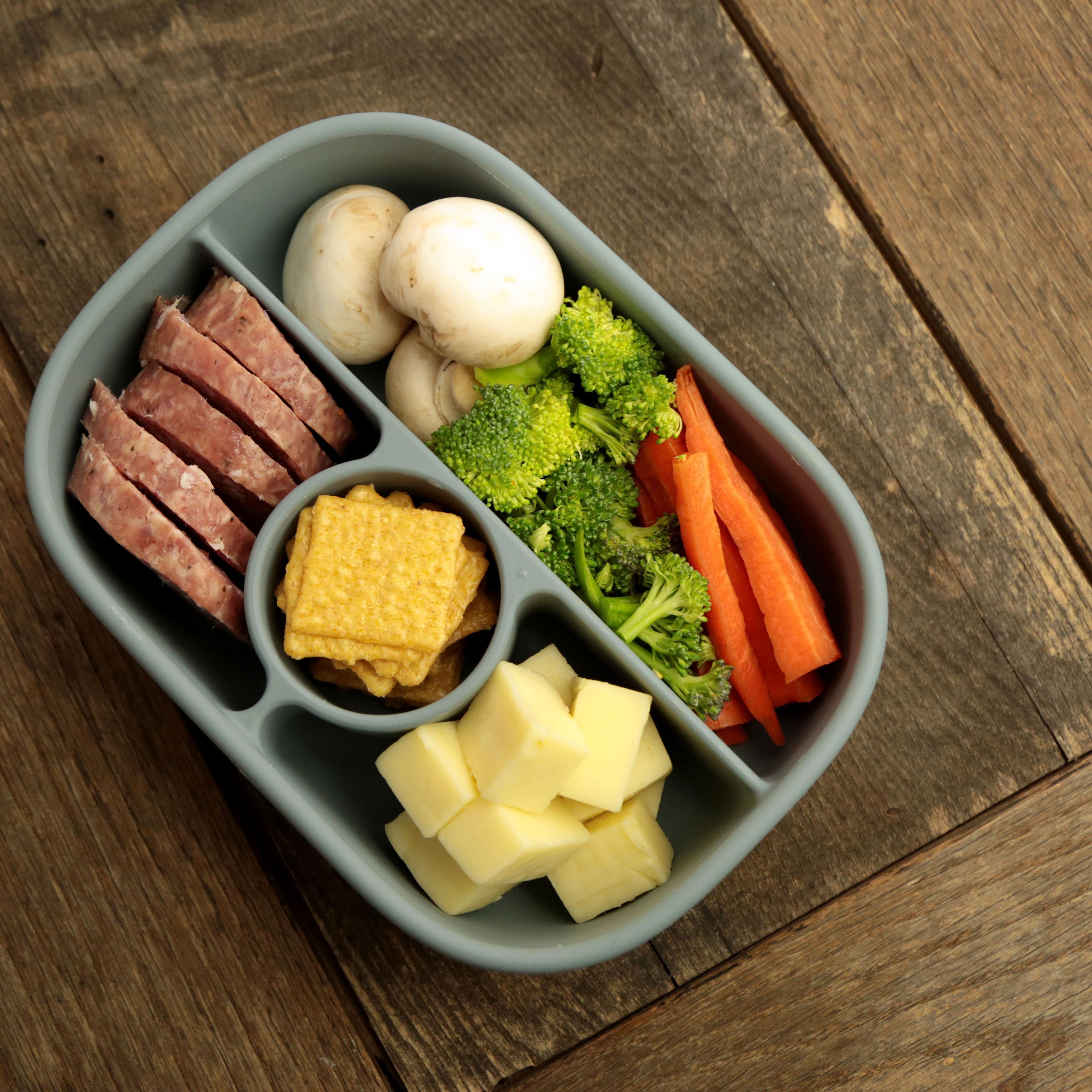
Silicone lunch box for easy on-the-go meals and snacks
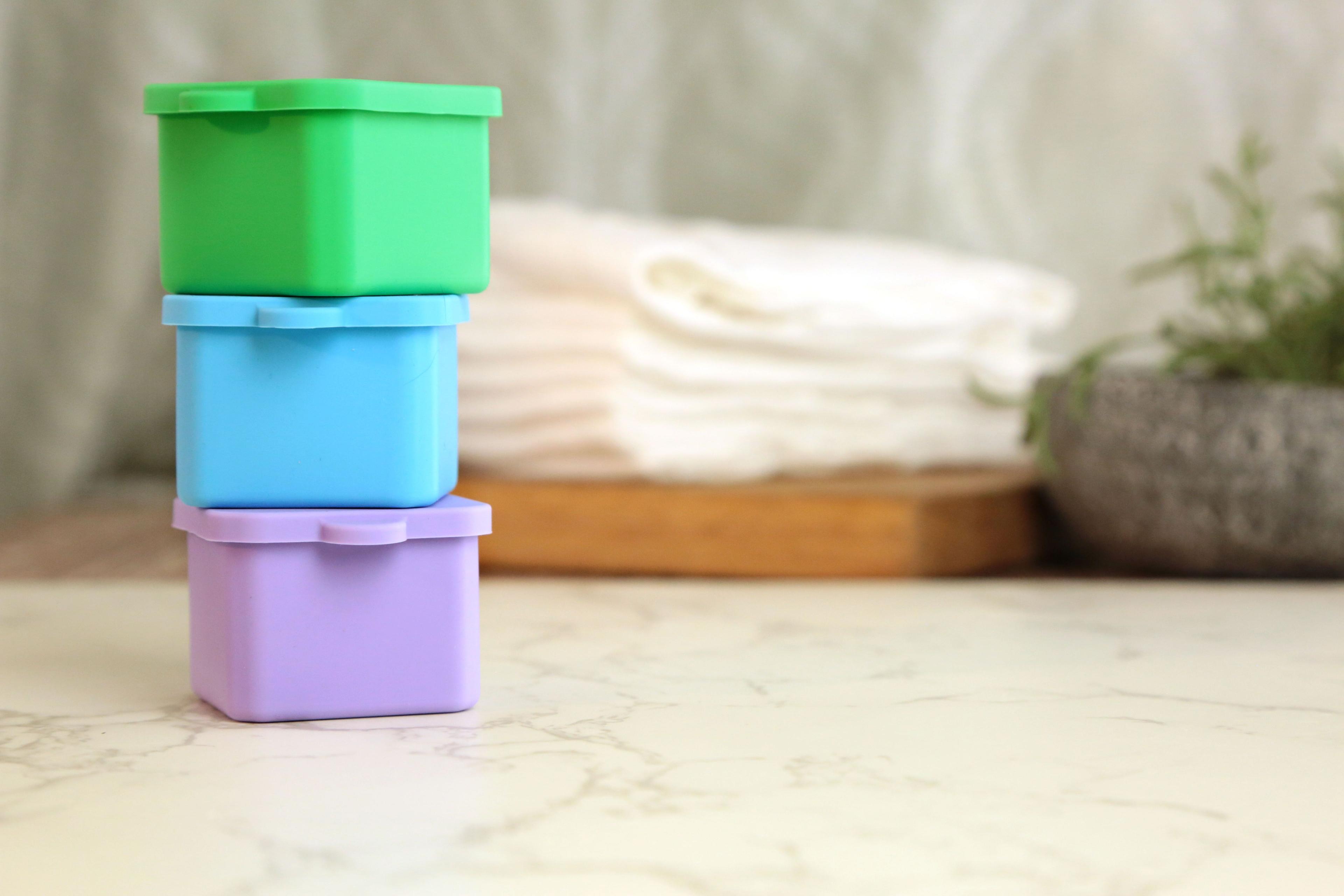
3 pack reusable dip and sauce cups with lids
Stay Connected
Get updates and exclusive offers straight to your inbox.