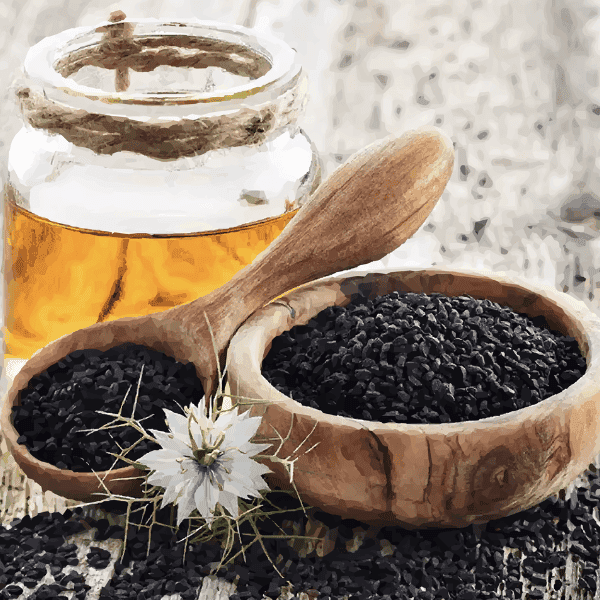
Black Seed Oil {Organic}
Black seed oil comes from the seeds of nigella satvia. It is sometimes called black cumin seed (no relation to cumin). It contains antioxidants and supports the immune system. Black seed oil also supports liver health, skin health, cardiovascular health, and may support healthy blood sugar levels.
Black seed oil is derived from the seeds of the Nigella sativa plant. Traditionally used for centuries in herbal wellness practices, black seed oil is valued for its naturally occurring antioxidants, essential fatty acids, and plant compounds like thymoquinone. Black seed oil is commonly used topically or taken internally depending on the intended use and product formulation.
High-quality black seed oil is typically cold-pressed and minimally processed to help preserve its naturally occurring beneficial compounds. Traditionally, black seed oil has been used to support overall wellness, skin health, digestive balance, and healthy immune function.
You might need Black Seed Oil if . . .
- Your skin feels dry or irritated
- You want extra support for a healthy wellness routine
- Your hair or scalp feels dry
- You’re looking for a nutritional herbal oil
- You want a versatile oil for topical or internal use
Benefits of Black Seed Oil
- Supports the antioxidant process
- Contains beneficial fatty acids
- Traditionally used to support immune health
- Helps moisturize and nourish skin and hair
- Commonly used in herbal wellness routines
- Supports overall wellness and balance
Common Ways to Use Black Seed Oil
Black seed oil can be used in several ways depending on personal preference and intended use. It is commonly taken internally in small amounts or used topically on skin and hair. Some people add it to wellness tonics, smoothies, or herbal blends, while others apply it directly to the scalp or skin as part of their personal care routine.
Black seed oil is also commonly included in herbal tinctures, wellness supplements, and natural skin care products because of its naturally occurring antioxidant compounds and nourishing fatty acids.
How Black Seed Oil is Made
Black seed oil is made by pressing the seeds of the Nigella sativa plant. High-quality black seed oil is typically cold-pressed, which helps preserve naturally occurring compounds like thymoquinone, antioxidants, and essential fatty acids.
The seeds are harvested, cleaned, and mechanically pressed to release the oil. Minimal processing and avoiding excessive heat helps maintain the integrity and freshness of the final product. Many premium black seed oils are stored in amber glass bottles to help protect the oil from light and oxidation.
Safety Concerns
Drug Interaction: If you have any health concerns or take prescription medications, consult your healthcare provider before adding black seed oil or any supplement to your routine.
Pregnancy and Breastfeeding: There is limited research regarding concentrated black seed oil supplementation during pregnancy and breastfeeding. Consult a qualified healthcare professional before use.
Allergies: Individuals sensitive to plants in the Ranunculaceae family or seed-based oils should use caution.
Select Studies About Black Seed Oil
Review on Clinical Trials of Black Seed (Nigella sativa ) and Its Active Constituent, Thymoquinone