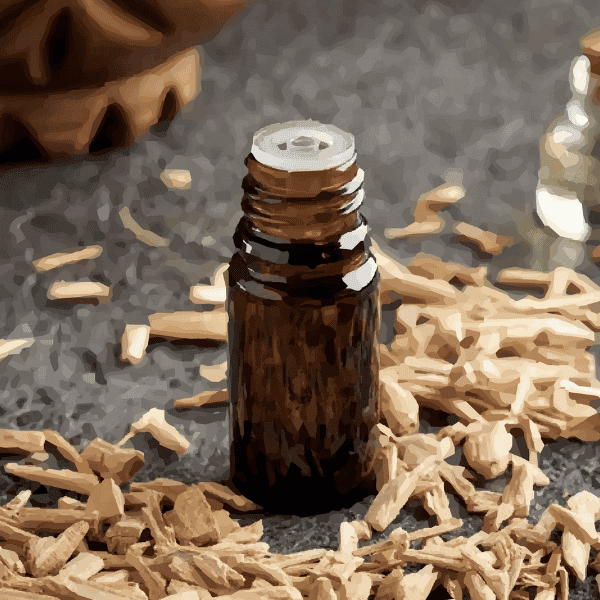
Cedarwood Essential Oil
Cedarwood, or Cedrela odorata, is a soft evergreen native to Central and South America. It has a sweet, woodsy scent and is used in a variety of things, from boats and fences to cedar oil and cedar essential oil.
Cedarwood essential oil is steam-distilled from the wood of the Juniperus virginiana tree, commonly known as Eastern red cedar. Known for its warm, woodsy aroma with soft earthy undertones, cedarwood has long been valued in aromatic traditions, natural perfumery, and botanical body care.
Traditionally, cedarwood was appreciated in aromatic and household practices for its rich scent and grounding character. Today, cedarwood essential oil remains popular in diffuser blends, body care products, massage oils, and home fragrance applications because of its warm, comforting aroma.
What Does Cedarwood Essential Oil Smell Like?
Cedarwood essential oil has a warm, woodsy aroma balanced with earthy, slightly smoky, and softly sweet undertones. Many people find it grounding, calming, and comforting without being overpowering.
Its aroma profile is often described as:
- Warm and woodsy
- Earthy and grounding
- Softly smoky
- Slightly sweet
- Rich and comforting
Because of its balanced scent, cedarwood essential oil is commonly used in diffuser blends, massage oils, natural perfumes, and aromatic self-care routines.
How Cedarwood Essential Oil Is Made
Cedarwood essential oil is typically produced through steam distillation of the tree’s wood.
The oil naturally contains aromatic constituents such as:
- Cedrol
- Cedrene
- Thujopsene
- Alpha-cedrene
These naturally occurring compounds contribute to cedarwood oil’s rich woodsy aroma and grounding botanical scent profile.
Traditional Benefits of Cedarwood Essential Oil
Cedarwood essential oil has long been appreciated in aromatic traditions for its comforting scent and versatility in body care and home fragrance applications.
- Adds a warm, grounding aroma to diffuser blends
- Helps create a calm, cozy atmosphere
- Traditionally used in aromatic self-care routines
- Brings depth and balance to aromatic formulations
- Often used in home fragrance and seasonal blends
Common Uses of Cedarwood Essential Oil
Traditionally, cedarwood essential oil has been used in:
- Relaxing diffuser blends
- Aromatic self-care routines
- Massage oils
- Natural perfume formulations
- Soap and body care products
- Home fragrance blends
Its warm woodsy aroma makes it especially popular in cozy seasonal blends and grounding evening routines.
Essential Oil Safety & Dilution
Essential oils are highly concentrated plant extracts and should always be used with care. Essential oils are generally diluted before topical use and intended for external use only.
As with any essential oil:
- Avoid contact with eyes, broken skin, and mucous membranes
- Dilute appropriately; a conservative leave-on range is 0.5–1%
- Discontinue use if irritation occurs
- Do not use if allergic or sensitive
- If you are pregnant, nursing, have a medical condition, or using around young children, consult a qualified healthcare professional before use.
Frequently Asked Questions
What oils blend well with cedarwood essential oil?
Cedarwood essential oil blends especially well with:
- Lavender
- Bergamot
- Frankincense
- Sweet orange
- Rosemary
- Clary sage
- Geranium
These combinations create warm, balanced aromatic blends for diffusing and body care.
Is cedarwood essential oil good for diffuser blends?
Cedarwood essential oil is commonly used in diffuser blends because of its grounding woodsy aroma and ability to add warmth and depth to floral, citrus, and herbal oils.
Why is cedarwood essential oil used in natural products?
Its warm aroma, versatility, and compatibility with other botanical ingredients make cedarwood essential oil a popular choice in natural body care, home fragrance, and aromatherapy-inspired formulations.
At Earthley, we use cedarwood essential oil in select formulations to create balanced aromatic profiles that complement other plant-based ingredients.