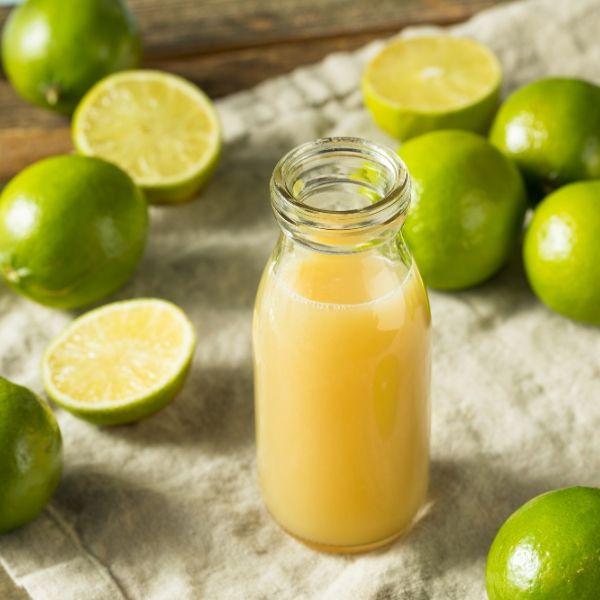
Lime Juice
Lime juice is a refreshing, naturally tart liquid extracted from the fruit of the lime tree (Citrus aurantiifolia or Citrus latifolia). Known for its bright citrus flavor and naturally occurring vitamin C, lime juice has been enjoyed for generations in foods, beverages, and traditional wellness preparations.
Lime juice comes from the small, green citrus fruits of lime trees in the Rutaceae family. These fruits are valued for their aromatic peel, juicy interior, and distinctive tart flavor.
Limes have a long history of culinary use in tropical and subtropical regions around the world. Today, lime juice is commonly found in beverages, marinades, dressings, sauces, and other recipes. Its naturally occurring vitamin C and refreshing flavor also make it a popular addition to everyday wellness-focused foods and drinks.
You Might Need Lime Juice...
If you enjoy fresh citrus flavors or are looking for simple ways to incorporate more plant-derived ingredients into your everyday routine, lime juice may be a wonderful addition.
Its bright, tangy taste adds freshness to water, teas, homemade beverages, and recipes without the need for artificial citrus flavors.
Some people especially enjoy lime juice because of its:
- Naturally occurring vitamin C
- Refreshing citrus flavor
- Plant-derived antioxidants
- Versatility in homemade foods and beverages
- Ability to complement herbs, fruits, and other botanical ingredients
Lime juice can be an easy way to add flavor and variety to a balanced diet. While it contributes vitamin C, the amount in a typical squeeze is relatively small, so it is best enjoyed as part of a varied, nutrient-rich eating pattern.
What is Lime Juice?
Lime juice is the liquid extracted from the pulp of fresh lime fruit. Limes belong to the Citrus genus and the Rutaceae family, which also includes lemons, oranges, and grapefruit.
Two commonly cultivated types are the Key lime (Citrus aurantiifolia) and the Persian or Tahiti lime (Citrus latifolia).
Lime trees produce small, fragrant white flowers followed by round or oval citrus fruits. Depending on the variety and ripeness, the fruits may have green or yellowish skin.
The juice is naturally acidic, primarily because of its citric acid content. It also contains vitamin C and small amounts of other nutrients and plant compounds.
Lime juice may be used fresh, pasteurized, concentrated, or incorporated into other food products. Processing and storage conditions can influence its flavor and vitamin C content.
Benefits of Lime Juice
Naturally contains vitamin C: Lime juice provides vitamin C, which supports normal immune function, collagen formation, and protection of cells from oxidative stress.
Provides naturally occurring antioxidants: Lime juice contains vitamin C and citrus plant compounds that contribute to its antioxidant composition.
Adds refreshing flavor: Its bright, tart taste enhances water, teas, smoothies, sauces, and other recipes without requiring artificial citrus flavoring.
Supports normal collagen formation: Vitamin C is necessary for the body's normal production of collagen, an important structural protein found in skin, connective tissue, and other tissues.
Complements a balanced diet: Lime juice adds variety and citrus flavor to everyday foods and beverages, making it a useful ingredient in a plant-rich eating pattern.
Versatile botanical ingredient: Lime juice can be incorporated into culinary preparations and carefully formulated products where its acidity and flavor are appropriate.
Common Ways to Use Lime Juice
Beverages: Add lime juice to water, sparkling water, teas, and homemade refreshments for a bright citrus flavor.
Cooking and Baking: Use lime juice in sauces, marinades, dressings, baked goods, and other recipes.
Fruit Preparations: Lime juice adds tartness to fruit salads, homemade syrups, and botanical beverages.
Herbal Teas: A small squeeze of lime can complement herbal teas, especially blends containing mint, ginger, or hibiscus.
Homemade Dressings: Combine lime juice with olive oil, herbs, and seasonings for a simple citrus dressing.
Food Formulations: Lime juice may contribute flavor and acidity to certain food products when used as part of an appropriately developed recipe.
Lime Juice vs. Lime Essential Oil: What's the Difference?
Although both come from the lime fruit, lime juice and lime essential oil are very different ingredients.
Lime Juice: Extracted from the juicy interior of the fruit. It contains water, citric acid, vitamin C, and other naturally occurring compounds. It is commonly used in foods and beverages.
Lime Essential Oil: Typically extracted from the peel through cold pressing or steam distillation. It contains concentrated volatile aromatic compounds, such as limonene, and is commonly used in fragrance and personal care formulations.
Lime juice is not a substitute for lime essential oil, and lime essential oil should not be treated as interchangeable with food-grade lime juice.
Both ingredients can pose skin-safety concerns, including potential reactions associated with sunlight exposure. Their safety profiles depend on the specific material, processing method, and intended use.
Growing and Foraging Information
Lime trees thrive in tropical and subtropical climates with warm temperatures, plenty of sunlight, and well-draining soil.
Most lime varieties prefer full sun and regular watering, especially during flowering and fruit development. They are sensitive to freezing temperatures and may require protection during colder months.
In cooler climates, dwarf lime trees can sometimes be grown in containers and moved indoors during winter.
Lime trees produce fragrant blossoms that develop into citrus fruits. The fruits are generally harvested when they reach the appropriate size and maturity for their variety.
Although limes are commonly cultivated in orchards and home gardens, they are not typically foraged in the wild throughout most of North America.
Harvesting Tip: Wash limes before cutting, even when using only the juice, to help prevent contaminants on the peel from transferring to the fruit's interior.
Safety Concerns
Citrus Sensitivity: Some individuals may experience allergic reactions or irritation from citrus fruits. Avoid lime juice if you have a known lime allergy.
Skin Irritation: Undiluted lime juice should not be applied directly to the skin as a DIY skin care treatment. Its acidity can cause irritation, especially on sensitive or compromised skin.
Sun Exposure and Phototoxicity: Lime juice and peel can contain naturally occurring furocoumarins. When these compounds contact the skin and are followed by ultraviolet light exposure, they may cause phytophotodermatitis, a reaction that can include redness, blistering, and discoloration. Wash exposed skin thoroughly before spending time in the sun.
Pregnancy and Breastfeeding: Lime juice is generally consumed as a normal food ingredient during pregnancy and breastfeeding. Concentrated extracts and nonfood preparations may have different safety considerations.
Medication Considerations: Normal culinary amounts of lime juice are not generally associated with the same well-established drug interactions as grapefruit juice. However, individuals with medication-related dietary restrictions should consult their healthcare professional.
Storage and Food Safety: Fresh lime juice should be handled and refrigerated appropriately. Its natural acidity does not make it immune to microbial contamination or spoilage.