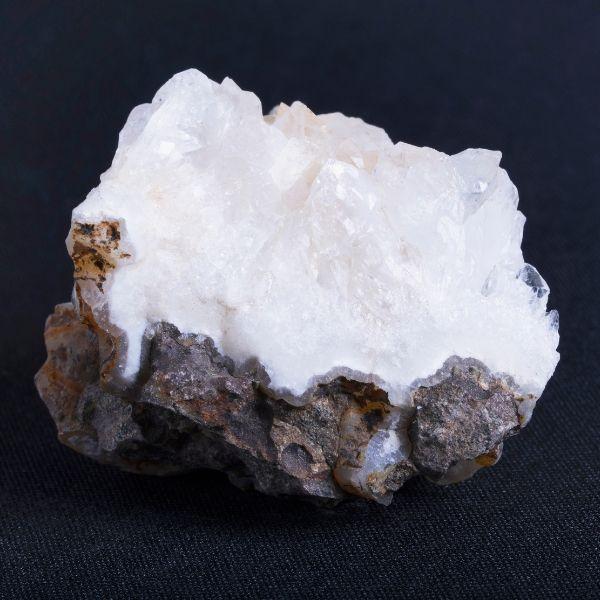
Silicon Dioxide (Silica)
Silicon dioxide, also known as silica (SiO₂), is a naturally occurring compound made from silicon and oxygen. It is found in materials such as sand, quartz, and certain minerals. Food-grade silicon dioxide is commonly used in small amounts in powdered foods and ingredients to help prevent clumping and maintain a smooth, free-flowing texture.
Silicon dioxide, also known as silica (SiO₂), is a naturally occurring compound made from silicon and oxygen. It is found in materials such as sand, quartz, and certain minerals. Food-grade silicon dioxide is commonly used in small amounts in powdered foods and ingredients to help prevent clumping and maintain a smooth, free-flowing texture.
Our most recent dried Acerola fruit powder order does contain less than 2% silicon dioxide (silica). As acerola is part of the blend, that puts Immune Aid at even less than 2% of silicon dioxide. We will be ensuring future supplies do not contain silicon dioxide.
At Earthley, we believe in understanding every ingredient, including those that may already be present in the raw materials we source.
Why One Might Need Silicon Dioxide...
Have you ever opened a container of fruit powder or another powdered ingredient and noticed that it had formed hard clumps?
Powdered foods can naturally attract moisture from the air, causing particles to stick together. Food-grade silicon dioxide helps reduce clumping and keeps powdered ingredients easier to measure, mix, and use.
Silicon dioxide may be useful in powdered ingredients because it:
- Helps prevent clumping and caking
- Supports a consistent, free-flowing texture
- Makes powdered ingredients easier to measure and blend
- Helps maintain product consistency during storage
- Can be used in very small amounts to achieve its intended purpose
Unlike vitamins, minerals, or herbs added for nutritional or wellness benefits, silicon dioxide is primarily used for its functional role in food preparation and manufacturing.
What is Silicon Dioxide?
Silicon dioxide (SiO₂) is a compound made from two naturally occurring elements: silicon and oxygen.
Although silicon dioxide occurs naturally in the environment, the food-grade form used in powdered products is generally manufactured and purified to meet food-use specifications.
Food-grade silicon dioxide is typically an amorphous form of silica, meaning it does not have the same ordered crystalline structure found in quartz.
In the food industry, silicon dioxide is primarily used as an anticaking agent. It helps powdered ingredients maintain their texture by reducing moisture-related clumping.
It may be included in dried fruit powders, seasonings, powdered drink mixes, and other dry food products.
An important distinction: Food-grade silicon dioxide mixed into a powdered ingredient is not the same product as the silica gel packets labeled "Do Not Eat" that may be found inside food, supplement, or other product packaging.
Although both contain forms of silicon dioxide, they have different physical properties, manufacturing specifications, and intended uses.
Frequently Asked Questions
Is food-grade silicon dioxide safe to consume?
The FDA permits silicon dioxide as a food additive when used according to established regulations. As an anticaking agent, it must be used only where it has a demonstrated function, in an amount no greater than necessary, and at no more than 2% of the food's weight.
Is silicon dioxide natural or synthetic?
Silicon dioxide occurs naturally in sand, quartz, and minerals. However, food-grade silicon dioxide used in commercial products is commonly manufactured and purified to meet specific food-quality standards. Naturally occurring and manufactured forms can share the same chemical formula while having different physical structures.
What is the difference between silicon dioxide added to dried fruit powder and the "Do Not Eat" silica packets found in powdered products?
Both contain forms of silicon dioxide, but they serve different purposes.
Food-grade silicon dioxide added directly to dried fruit powders is a finely divided ingredient used in small amounts to help prevent clumping. It is specifically intended for use in food and must meet applicable food-safety requirements.
Silica gel packets, on the other hand, are separate moisture-absorbing packets placed inside packaging to help keep the surrounding product dry. They are not intended to be opened, mixed into food, or consumed.
The "Do Not Eat" warning does not mean that all silicon dioxide is poisonous. Standard silica gel is generally considered low in toxicity, but the packets and their contents can present choking or other physical hazards and are not intended as food ingredients.
The key difference is that food-grade silicon dioxide is intentionally incorporated into food, while silica gel packets are packaging accessories that should remain separate from the product.
Why is silicon dioxide added to dried fruit powders?
Dried fruit powders can absorb moisture and become sticky or clumpy. Food-grade silicon dioxide helps maintain a loose, consistent texture, making the powder easier to measure and incorporate into recipes or finished products.
Does silicon dioxide provide nutritional benefits?
Silicon dioxide is primarily used for its functional properties rather than nutritional benefits. It is not added to powdered foods as a source of vitamins or minerals.
Is silicon dioxide the same as silicone?
No. Silicon dioxide is an inorganic compound made from silicon and oxygen. Silicone is a family of synthetic polymers containing silicon, oxygen, and organic groups. They have different chemical structures and uses.
Benefits of Silicon Dioxide
Unlike botanical ingredients traditionally used for wellness support, silicon dioxide provides functional benefits in food manufacturing and preparation.
Helps prevent clumping: Silicon dioxide reduces the tendency of dry powdered ingredients to stick together, especially when exposed to moisture.
Supports consistent texture: It helps powdered ingredients remain loose and evenly distributed for easier measuring and blending.
Improves powder flow: Its anticaking properties can help powders move more consistently through manufacturing equipment and packaging.
Supports ingredient stability: By reducing moisture-related clumping, silicon dioxide helps maintain the physical consistency of powdered ingredients during normal storage.
These benefits relate to the quality and handling of the product rather than direct health effects.
Common Ways to Use Silicon Dioxide
Food-grade silicon dioxide is commonly used in:
Dried fruit powders: Helps prevent clumping in moisture-sensitive powdered fruit ingredients.
Herbal and botanical powders: Supports a consistent texture in certain dry powdered formulations.
Seasoning blends: Helps spices and powdered seasonings remain free-flowing.
Powdered drink mixes: Reduces clumping for easier measuring and mixing.
Food and supplement manufacturing: May be used as an anticaking agent or processing aid, depending on the formulation and applicable regulations.
Silicon dioxide is generally incorporated during ingredient processing or manufacturing rather than added by consumers at home.
Growing and Foraging Information
Unlike herbs, flowers, and other botanical ingredients, silicon dioxide is not grown or harvested from plants.
Silicon dioxide occurs naturally in the Earth's crust, including in sand, quartz, and various mineral deposits.
Food-grade silicon dioxide is manufactured and processed to meet specifications appropriate for its intended use in food.
Although it is derived from naturally occurring elements, its food-grade form should not be confused with ordinary sand, quartz dust, or other unprocessed mineral materials. These are not interchangeable with food-grade silicon dioxide.
Safety Concerns
Food-Grade Standards: Silicon dioxide intended for consumption must meet applicable food-use requirements. Not all forms of silica are suitable for food.
FDA Regulations: Under 21 CFR § 172.480, silicon dioxide is permitted as an anticaking agent in certain foods at levels not exceeding 2% by weight, with additional restrictions on its use.
Inhalation: Fine powders can irritate the respiratory tract when airborne. Avoid intentionally inhaling silicon dioxide powder. Occupational exposure to certain forms of silica, particularly respirable crystalline silica, presents different concerns from consuming food-grade amorphous silicon dioxide.
Silica Gel Packets: Do not open or consume moisture-absorbing silica gel packets. Although standard silica gel is generally considered low in toxicity, the packets are not food ingredients and may pose choking or obstruction hazards.
Pregnancy and Breastfeeding: Food-grade silicon dioxide is permitted in food under established conditions. Individuals with questions about specific dietary ingredients during pregnancy or breastfeeding should consult a qualified healthcare professional.
Select Studies about Silicon Dioxide
Analysis of Silicon Dioxide Food Additives — FDA (2023)
FDA researchers examined commercially available amorphous silicon dioxide food additives to better understand particle sizes and the presence of nanosized particles. The research contributes to the scientific understanding of silicon dioxide used in food manufacturing.
FDA Regulation — 21 CFR § 172.480
The FDA establishes conditions for the use of silicon dioxide in food, including its use as an anticaking agent and the maximum permitted concentration for that purpose.
EFSA Re-evaluation of Silicon Dioxide (E 551)
The European Food Safety Authority has evaluated silicon dioxide as a food additive, including available toxicological information, exposure considerations, and the characteristics of different forms of amorphous silica.