Alpha-gal Syndrome: Symptoms, Causes, Triggers, and Tick Bite Tips
Alpha-Gal Syndrome can change the way you think about food, personal care products, medications, and everyday living. If you've recently been diagnosed - or suspect Alpha-Gal may be behind unexplained reactions - understanding common triggers and lifestyle adjustments can help you feel more confident navigating daily life. In this guide, we'll explore what Alpha-Gal Syndrome is, potential symptoms, foods and products that may contain mammalian ingredients, and practical tips for creating an Alpha-Gal-friendly lifestyle.
Did you know a tick bite can lead to a red meat allergy?
You might have heard people talking about alpha-gal syndrome (AGS) recently—an allergic reaction in humans caused by tick bites that has become much more common in the past ten years. People notice that they have it when they develop a sudden allergy to red meat, dairy products, gelatin, and medications or body care products that contain animal-derived ingredients.
So, what can we do about it?
Let’s talk about what exactly alpha-gal syndrome is, how to avoid it naturally, what triggers a reaction, and simple ways to support your body with low stress swaps.
In This Article, We’ll Cover:
- What alpha-gal syndrome is and what causes it.
- What symptoms look and feel like.
- Everyday foods and products that can trigger a reaction.
- Simple ways to avoid getting it and support your body if you do.
If you’re concerned about tick bites but would rather get outside than read an article right now, we get it. We created our gentle, effective Bug Shield Spray and Pest Aside Salve to support bite-free nature time for the whole family, without any of the harsh chemicals you’ll find in a lot of bug sprays out there.
What is Alpha-Gal Syndrome (AGS)?
Alpha-Gal Syndrome is a delayed allergic reaction to red meat and animal-derived products caused by certain tick bites.
Alpha-gal is a sugar molecule that is made naturally in the bodies of most mammals, but not in humans. It is also found in the saliva of some ticks (primarily lone star ticks, but sometimes a blacklegged or western blacklegged tick).
When a tick bites, it can transfer alpha-gal sugar into a person’s blood. Some people’s immune systems produce antibodies to it. Then, when they are exposed to alpha-gal again—by eating red meat or dairy or using products containing it--their bodies identify it as a threat and trigger an allergic reaction. (3)
Symptoms of Alpha-Gal Syndrome
It can take weeks or even months after being bitten by a tick for AGS symptoms to appear.
Symptoms usually show up to 2-8 hours after eating meat or exposure to animal-derived products, which can make it confusing because other food allergies tend to show up immediately.
Symptoms can look like:
- Itchy hives or rash
- Nausea, diarrhea, abdominal cramping/pain
- More serious reactions can happen, too. If any of these show up, contacting professional medical help is advised:
- Difficulty breathing or wheezing
- Swelling
- Lightheadedness
- Vomiting
Severity of symptoms vary from person to person and not everyone who gets bitten by one of these ticks develops AGS. Research is being done, but so far, we don’t know why some people have a reaction and some don’t.
For some people, symptoms of AGS decrease or go away over time, especially if further tick bites are avoided. For others, it can be more long-term. But everyone’s immune system responds differently, and how long AGS lasts varies from person to person.
How to Avoid Contracting Alpha-gal
We all want to enjoy time outdoors with our loved ones, and for those of us who live in tick-heavy areas, there are steps we can take to protect ourselves and our families from these harmful pests, including:
- wearing light colored clothing for pest visibility,
- checking for and removing ticks regularly during and after outdoor time,
- and using natural bug repellants like Earthley Bug Shield and Pest Aside. (1) (2)
Our Tick Removal Protocol Bundle brings together simple, effective tools and herbal support to help you handle tick encounters with confidence if they do pop up. The bundle includes:
- a tick removal tool
- Black Drawing Salve to support irritated skin
- Adaptogenic Immunity to help your immune and nervous system maintain balance
- a carrying bag to make it easy to stay protected wherever you go.
Alpha-gal Syndrome Triggers + Hidden Ingredients
For people who do develop this allergy, these are some common foods that contain alpha-gal and can (but don’t always) trigger a reaction:
- Red meat
- Gelatin
- Lard/tallow
- Dairy (rare)
And, there are some less obvious foods and products where it might be found, like:
- Supplement capsules made of gelatin
- Collagen supplements
- Gummies
- Additives and flavorings
- Body care products made with tallow or lanolin
Unfortunately, since ingredients are not always clearly named on labels, it can be challenging for folks who are dealing with AGS or other allergies to determine whether alpha-gal or other allergens are in products.
Earthley is committed to transparent labeling, so you can always feel empowered with our formulas, knowing exactly what you’re putting on and in your body.
Simple Ways to Support Daily Life with an Alpha-Gal Allergy
It can be overwhelming to deal with a life-changing challenge like AGS. But there are ways to support ourselves—one little step at a time--to help make it manageable and live healthy lives.
Some steps we can take to feel our best, even during tough moments:
- Support healthy digestion with a consistent meal schedule, staying hydrated, and gentle herbal formulas like Digest Support when needed.
- Build meals around whole foods with simple ingredients, including nourishing sources of protein that won’t trigger an alpha-gal reaction, like turkey, chicken, and fish.
- Take breaks and get plenty of sleep, especially during stressful seasons. Replenish with minerals like magnesium when you’re feeling depleted or need sleep support.
- Steady your nervous system with herbal allies in formulas like Calm and Clarity when you can use a helping hand.
- Soothing Skin Balm can offer some calm and comfort during itchy skin moments.
- Our Anti Inflammatory tincture helps support a healthy inflammatory response from the inside out, encouraging balance during moments of irritation and discomfort.
What Current Research is Discovering About Treatments for Alpha-gal
Researchers are working hard to find treatments for alpha-gal. A few promising possibilities are:
Nanoparticle immunotherapy: This therapy involves introducing biodegradable nanoparticles into the body to surround the alpha-gal allergen. In mice, these nanoparticles have reduced the immune system’s allergic response to alpha-gal. More research is still being done, but the results are positive so far and researchers are hopeful.
Auricular acupuncture: The Soliman Auricular Allergy Treatment (SAAT) is an extremely promising, minimally invasive method that was 96% effective in relieving alpha-gal allergy symptoms in a case study of 137 patients. After treatment, these people were able to eat meat again without any symptoms for up to 60 months.
Oral immunotherapy (OIT) and anti-lgE therapy: Currently being used to manage and decrease severity of AGS symptoms. Both are moderately effective and require a good amount of effort and monitoring by the patient.
These therapies are still in the research stage, but results are promising and many people feel hopeful about the possibility of life without alpha-gal-triggered food allergies.
Key Takeaways
Alpha-gal syndrome can bring unexpected health challenges, but with awareness and the right support, many people manage it well and continue to thrive.
Alpha-gal can sometimes appear in products you wouldn’t expect—but knowing what to look for makes it much easier to navigate safely and confidently.
The good news is that there are simple, practical ways to support your body—or your family—if AGS does happen, helping you feel prepared rather than overwhelmed.
A Final Thought
Life is already full, and the idea of a new allergy can feel like a lot. If Alpha-gal Syndrome shows up for you or someone you love, know that you’re not facing it alone—support, understanding, and options do exist. You don’t have to figure everything out overnight. Start where you are, make one thoughtful change at a time, and be gentle with yourself along the way. With awareness and patience, your routine will naturally evolve, and what feels daunting now can settle into something manageable and steady.
We all want to spend more time enjoying—instead of fearing--the outdoors with our families. Keeping a Tick Removal Bundle in your first aid kit can help you feel confident and prepared to face any unwanted visitors that might try to catch a ride on your next family adventure.
FAQs
What is Alpha‑Gal Syndrome and what causes it?
Alpha‑Gal Syndrome (AGS) is an allergic reaction to a sugar molecule called alpha‑gal that’s found in most mammals. Some people develop this allergy after being bitten by certain ticks—most commonly the lone star tick—which can trigger reactions to red meat, dairy, gelatin, and even some body care products hours after exposure.
What are the most common symptoms of Alpha‑Gal Syndrome?
Common symptoms of Alpha‑Gal Syndrome include itchy hives, flushing, nausea, stomach cramps, and diarrhea. Symptoms are often delayed, appearing 2–8 hours after eating mammal‑based foods. More serious reactions like swelling or breathing difficulty can occur and should always be checked by a medical professional.
What foods and everyday products can trigger Alpha‑Gal reactions?
Alpha‑Gal reactions may be triggered by red meat (beef, pork, lamb, venison), gelatin, lard, tallow, and sometimes dairy. Hidden sources can include collagen supplements, gelatin capsules, gummies, and body care products made with animal‑derived ingredients like lanolin or tallow. Ingredient transparency is key for avoiding reactions.
Can Alpha‑Gal Syndrome go away over time?
For some people, Alpha‑Gal Syndrome symptoms lessen or disappear over time, especially if they avoid further tick bites. Others may experience long‑term sensitivity. Everyone’s immune response is different, which is why symptom severity and duration can vary widely from person to person.
How can people in tick‑heavy areas reduce their risk of Alpha‑Gal Syndrome?
In regions where ticks are common, reducing Alpha‑Gal risk starts with tick prevention—wearing light‑colored clothing, checking skin during and after outdoor time, and using bug protection. Avoiding tick bites is currently the most effective way to prevent Alpha‑Gal Syndrome from developing in the first place.
Sources:
The repellent efficacy of eleven essential oils against adult Dermacentor reticulatus ticks | ScienceDirect
https://www.sciencedirect.com/science/article/abs/pii/S1877959X17300778
Catnip Repels Mosquitoes More Effectively Than DEET | ScienceDaily
https://www.sciencedaily.com/releases/2001/08/010828075659.htm
Alpha-Gal Syndrome: A Concise Review | MDPI
Recommended for You:

Natural tick removal & support
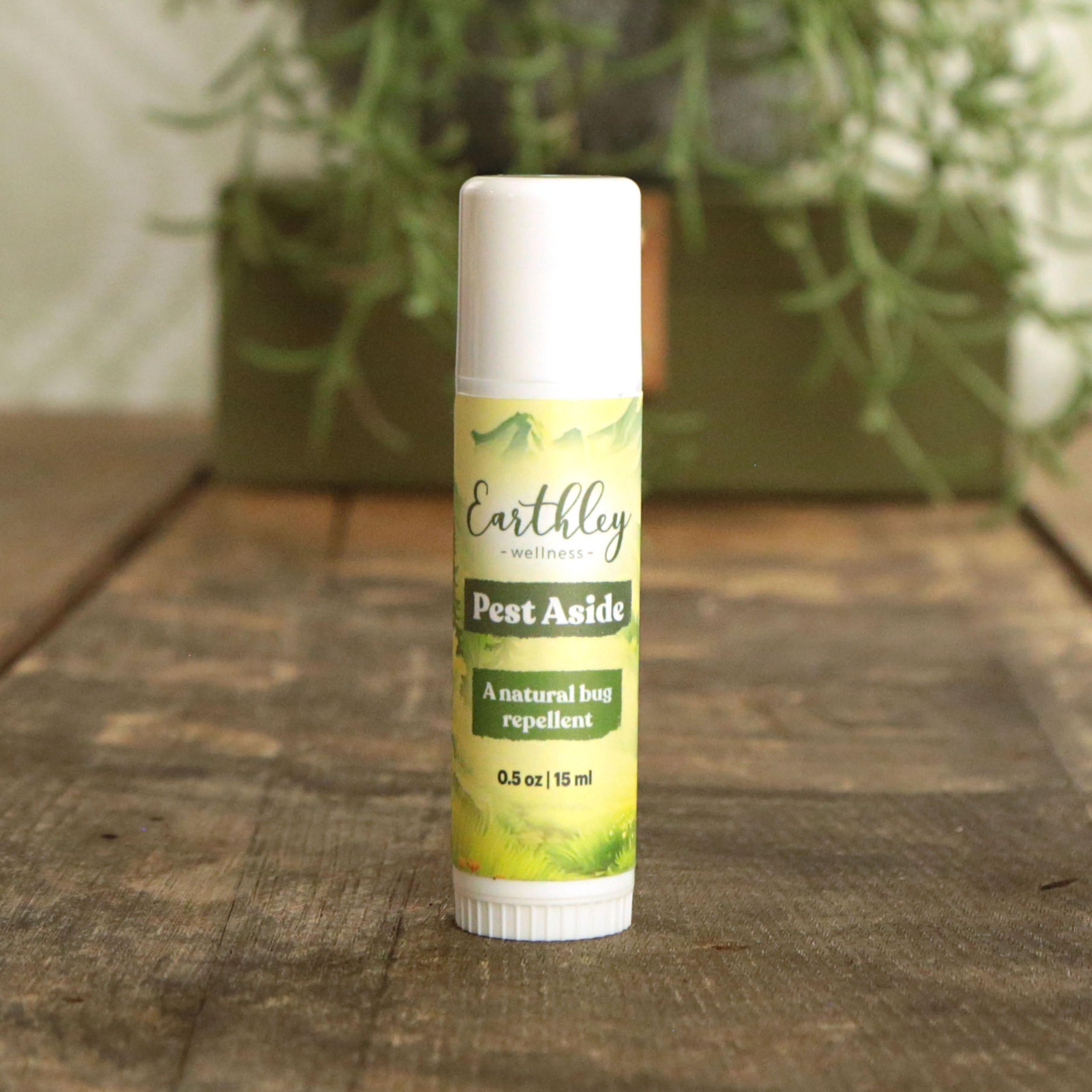
To keep biting bugs away
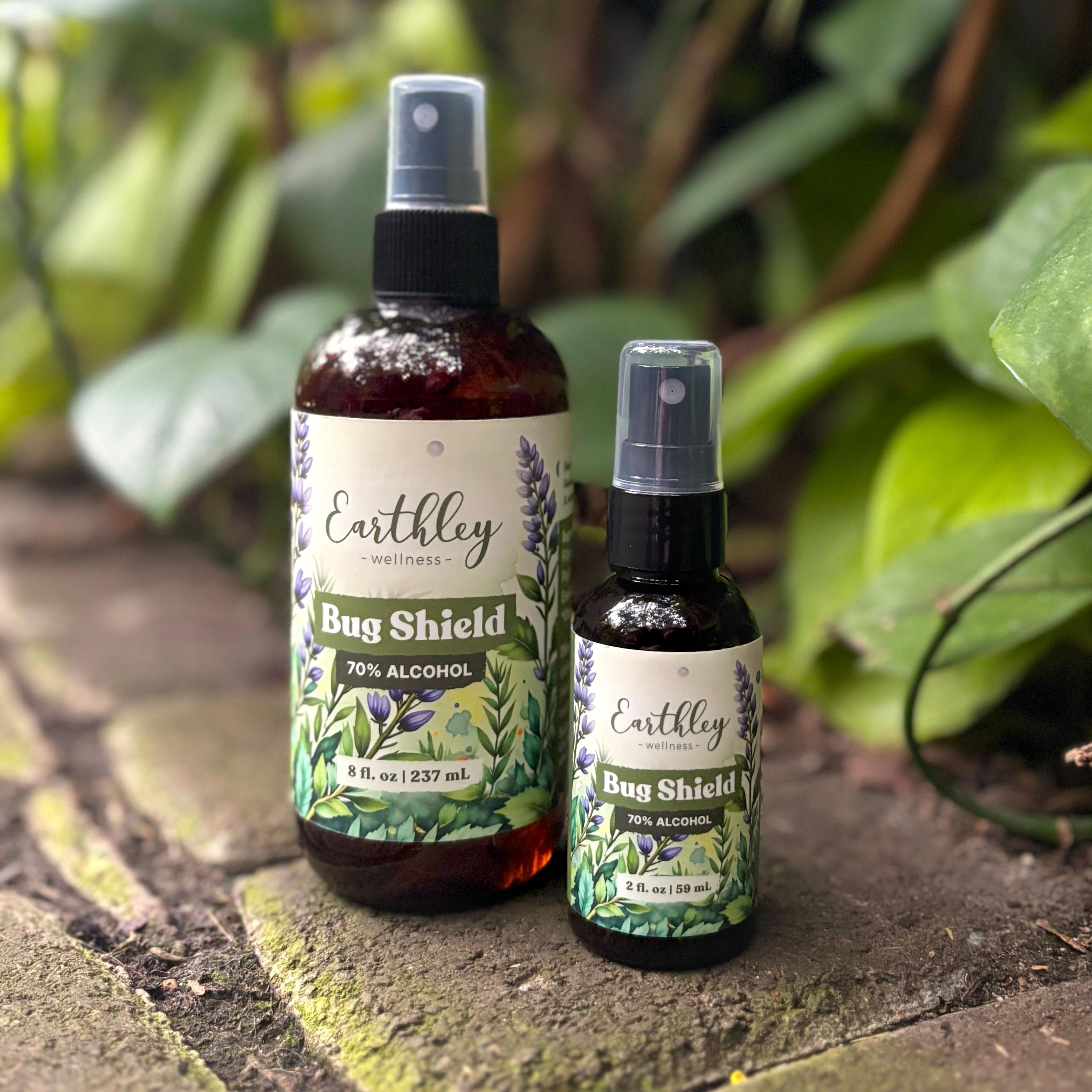
Plant-based outdoor spray
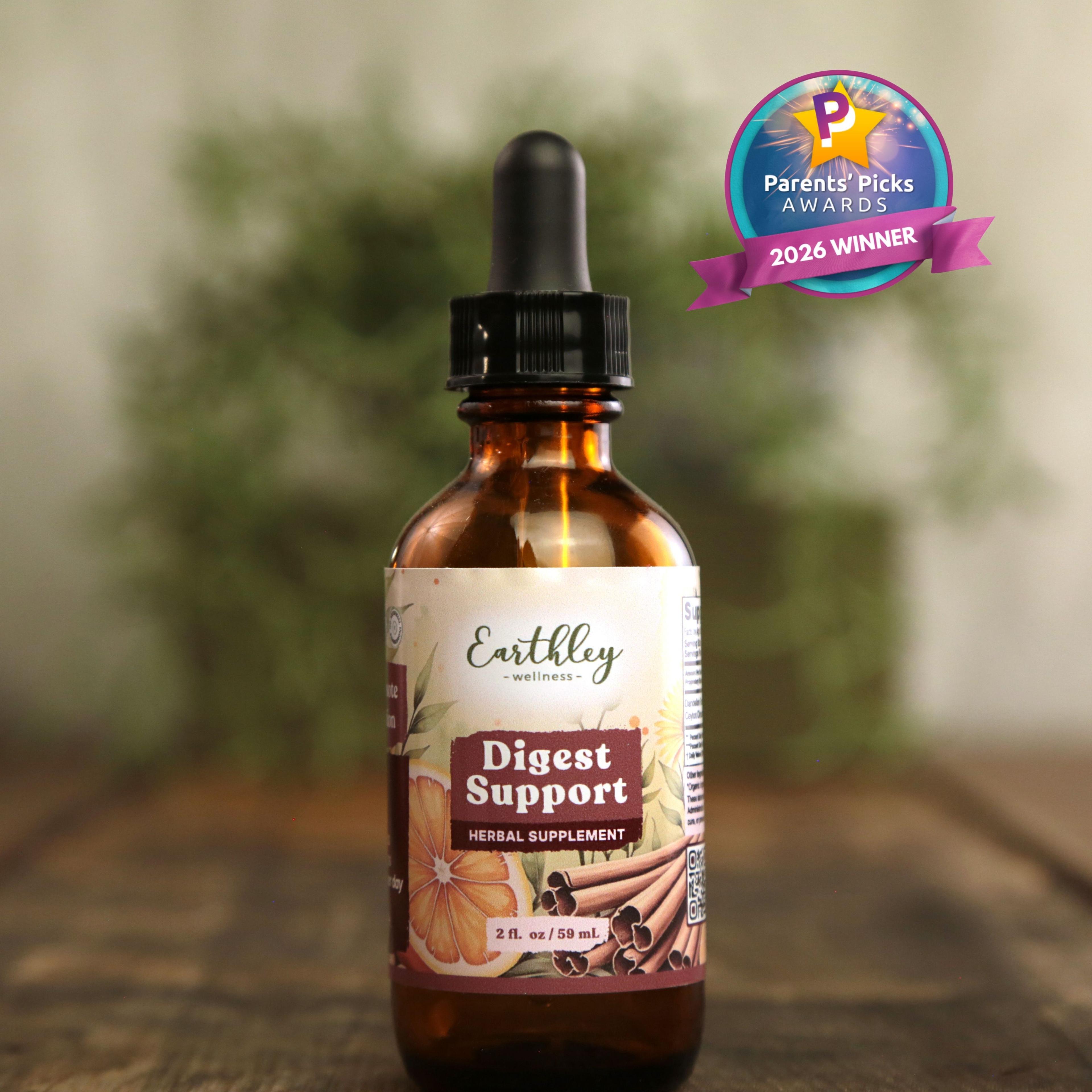
Bitters to promote healthy digestion

For healthy sleep, muscle soreness, and gut health
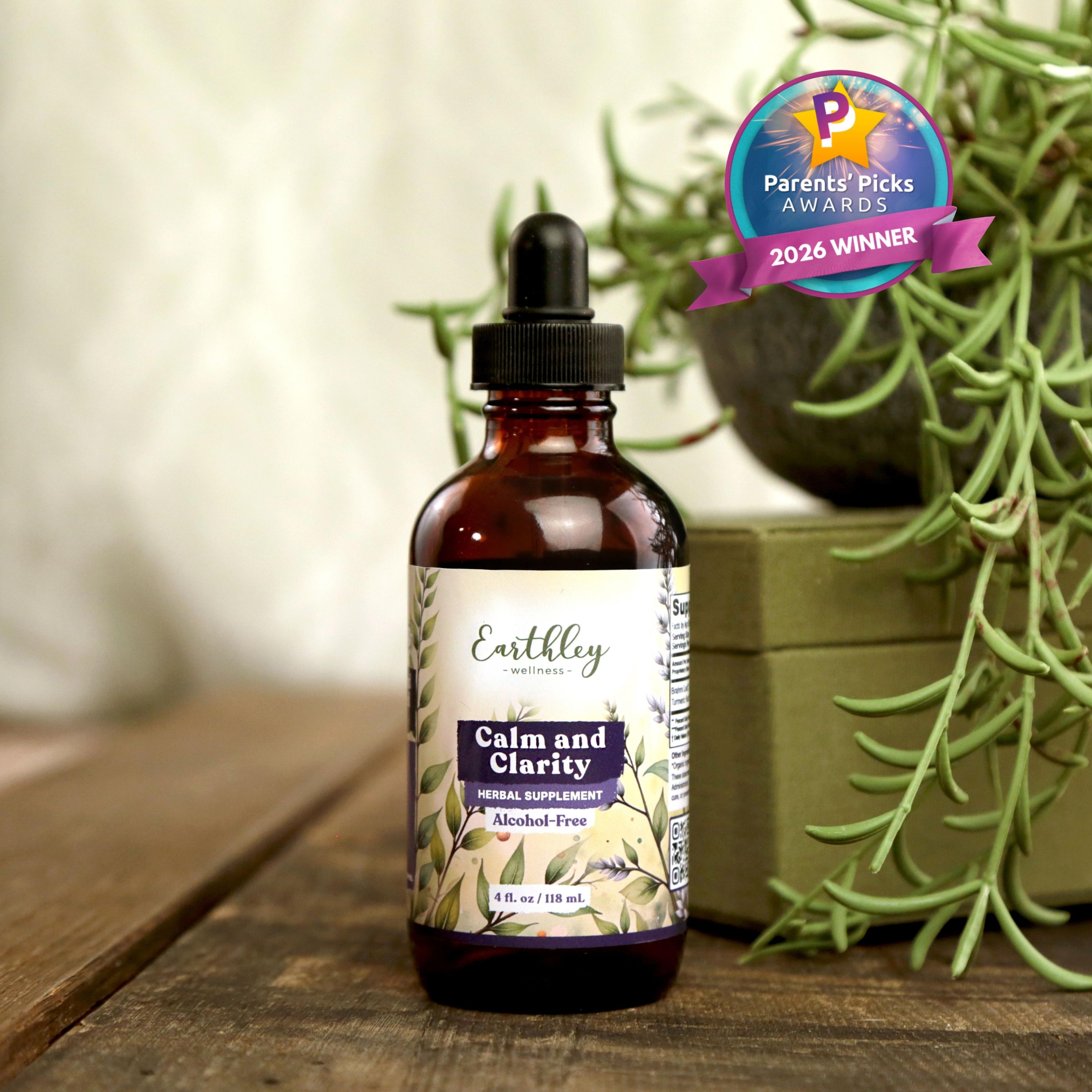
Promotes balanced mood and focused attention
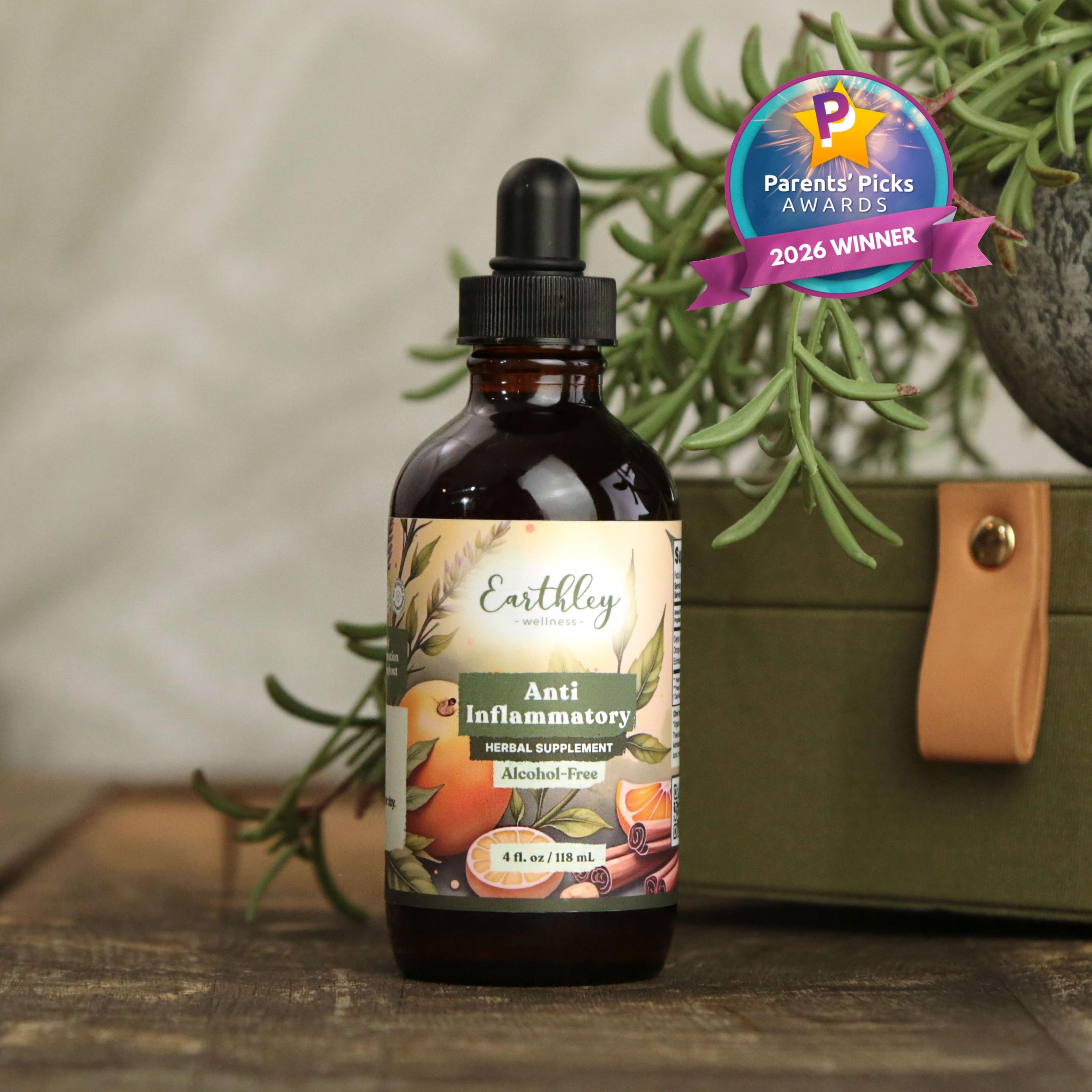
Herbal support for everyday comfort and inflammation
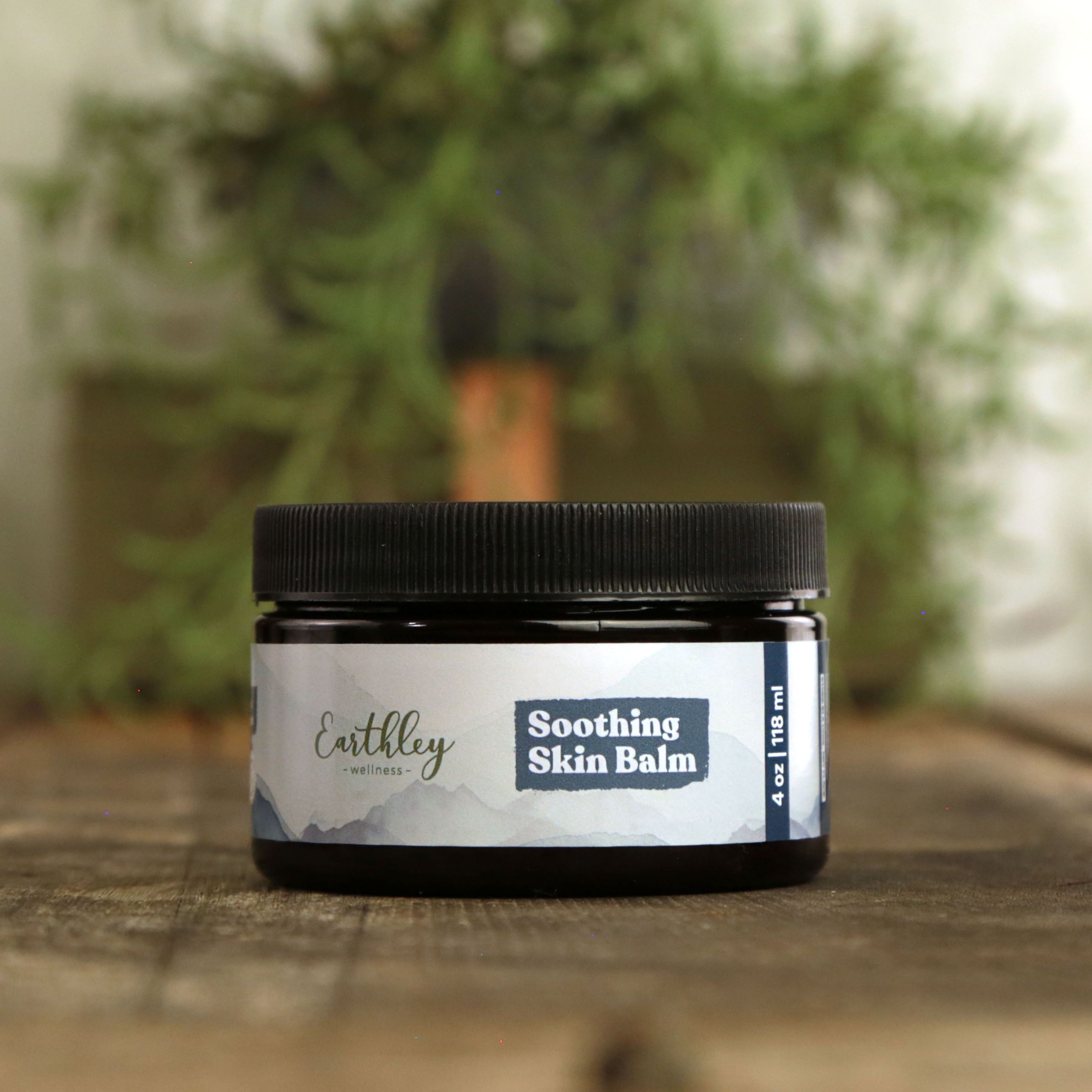
Soothe dry, itchy, irritated skin
Stay Connected
Get updates and exclusive offers straight to your inbox.