The Places Plastic Sneaks Into Our Homes (Even When We’re Trying to Avoid It)
Plastic isn’t limited to water bottles and food containers. It can be found in surprising places throughout the home, including tea bags, clothing, personal care products, canned food linings, and household packaging. While avoiding plastic entirely isn’t realistic for most families, understanding where it commonly appears can help you make informed choices. In this guide, we’ll explore some of the most overlooked sources of plastic and share simple swaps that can help reduce plastic use in everyday life - without striving for perfection.
We Don’t Buy Much Plastic… Or Do We?
If you’re reading this, you’re probably already trying.
- You skip plastic water bottles when you can.
- You’ve swapped a few containers.
- Maybe you even bring your own bags to the store.
And still… plastic keeps showing up.
It’s in things you didn’t expect. Things that don’t even look like plastic.
That’s usually where this starts to feel frustrating. Not because you’re doing anything wrong, but because plastic isn’t just packaging anymore. It’s built into everyday life in ways most of us were never taught to notice.
This isn’t about panic. And it’s definitely not about perfection.
It’s about seeing what’s actually there… so you can make small, realistic changes that fit your life.
Clothing and Textiles (Yes, Even the “Nice” Ones)
Most of us read food labels.
Very few of us check clothing tags.
But a lot of the clothes we wear every day are made from synthetic fibers like polyester, nylon, acrylic, and spandex. These show up in everything from athletic wear to fleece jackets to rugs and upholstery.
And here’s the part most people don’t realize:
Those fabrics can shed tiny fibers… especially when they’re washed or exposed to heat.
This isn’t something you need to fix overnight.
It just means that when something wears out or when you’re already replacing something, you might start reaching for natural fibers like cotton, linen, or wool instead.
Not because you have to - but because now you know.
Kitchen Items That Aren’t Obviously Plastic
The kitchen is where a lot of people start making changes.
- You switch to glass containers.
- You avoid plastic wrap.
- You feel like you’ve covered the basics.
But plastic still finds its way in.
It shows up in places like:
- Non-stick cookware coatings
- Paper plates and cups lined with plastic
- Tea bags made with plastic mesh
- Coffee pods with plastic linings
- Takeout containers labeled “paper” but coated for grease resistance
One easy swap many families make is switching from tea bags to loose-leaf tea brewed with a stainless steel tea strainer.
It’s simple. It works. And it quietly removes a daily source of plastic.
These aren’t all-or-nothing changes.
They’re small shifts… especially around food and heat… that can make a difference over time.
Personal care is another place where plastic often hides behind “clean” or “natural” labels.
Personal Care and Bathroom Products
This is one of the sneakiest areas.
Because everything looks “clean.”
Natural labels. Simple ingredients. Thoughtful branding.
But then you look a little closer… and the packaging tells a different story.
Plastic shows up in:
- Toothbrush handles and bristles
- Razor cartridges
- Liquid soaps and shampoos
- Makeup packaging
- “Flushable” wipes
Even when the product itself is well-made, it often comes wrapped in something disposable.
That’s why some of the easiest swaps here are also the simplest:
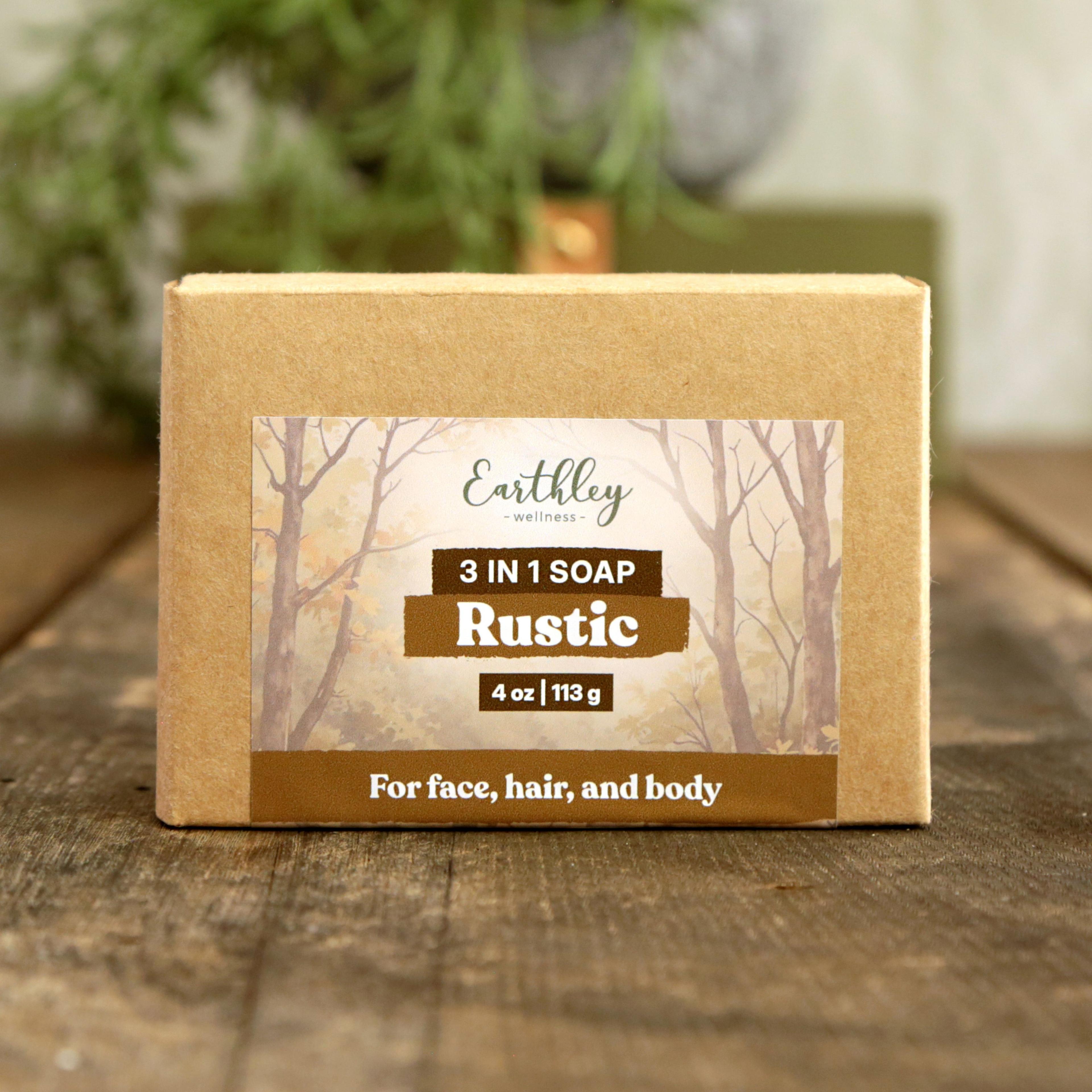
• A soap bar instead of a bottle.
• A brush that lasts longer than what you’re replacing.
Not complicated. Just a different default.
Kids’ Items and Everyday Family Products
This is where it can feel the hardest.
Because kids and convenience tend to go hand in hand.
Plastic shows up in:
- Toys (even wooden ones sealed with plastic coatings)
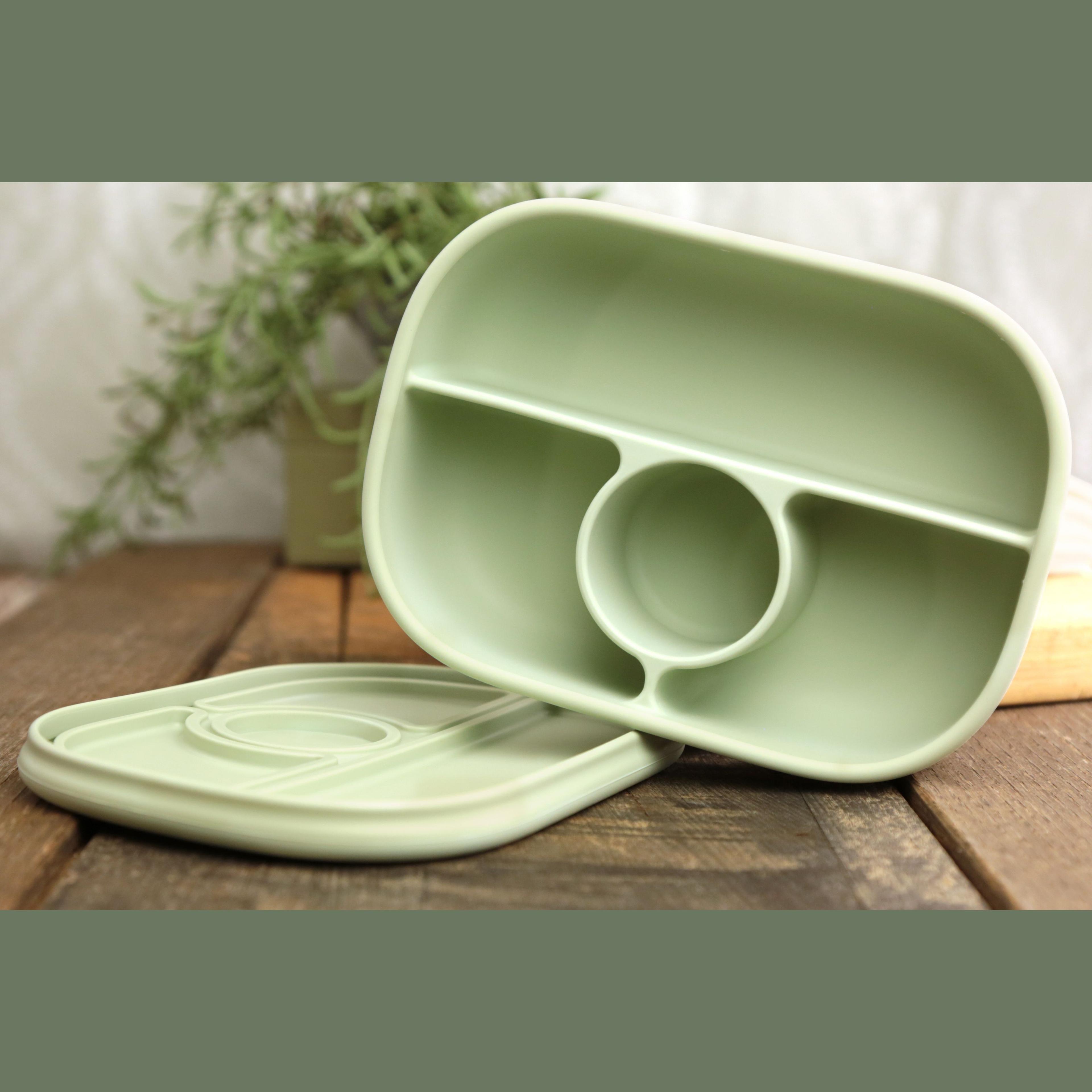
- Sippy cups and snack containers
- School supplies
- Craft materials
And the truth is… you’re not going to eliminate it completely.
That’s not the goal.
A more realistic approach is to notice where plastic gets the most use.
- What gets heated.
- What gets chewed on.
- What gets used every single day.
Those are often the easiest places to make small, meaningful swaps.
Everything else can come later… or not at all. Your choice.
Furniture, Home Goods, and Decor
This is the category most people don’t think about.
Furniture doesn’t feel like plastic.
But a lot of it is.
It shows up in:
- Faux leather
- Foam cushions
- Rugs and mats
- Mattress covers and protectors
Again, this isn’t about replacing everything you own.
It’s about awareness.
Because when something eventually wears out, you’ll already know what to look for next.
Food Packaging That Looks “Plastic-Free”
This one catches a lot of people off guard.
You reach for paper. Cardboard. Something that feels like a better option.
And often, it is.
But not always.
Many of these materials are lined with plastic to make them:
- grease-resistant
- shelf-stable
- leak-proof
- Even some “compostable” packaging relies on synthetic layers.
This isn’t about distrust.
It’s just about curiosity.
The more familiar you are with packaging, the easier it becomes to make choices that actually match your intentions.
What to Do With This Information
If this list feels long… pause here.
You’re not meant to fix all of this.
You’re meant to notice it.
A more sustainable way to approach this:
- Start with what you use every day
- Focus on food contact and heat
- Replace things as they wear out
- Use what you already have
That last one matters more than most people think.
Because progress isn’t about throwing everything away.
It’s about changing what comes next.
Small Swaps That Make the Biggest Difference
When you’re ready to make a change, a few swaps tend to go a long way:
- Glass or stainless steel water bottles
- Loose-leaf tea with a stainless steel tea strainer
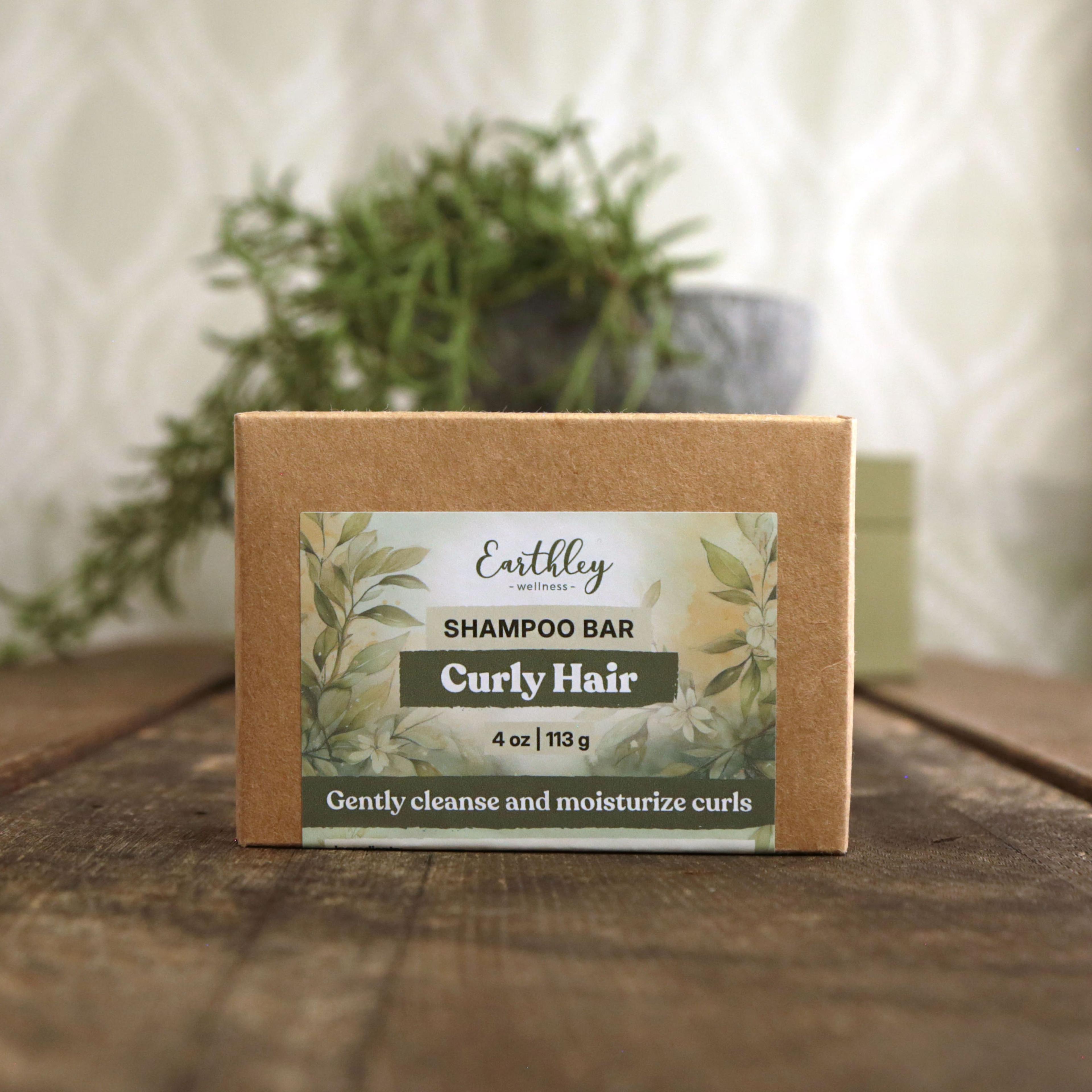
- Bars instead of bottled products
- Wooden or metal kitchen tools instead of plastic
These are the kinds of changes that don’t just reduce plastic.
They simplify your routine… and usually last longer, too!
Awareness Without Perfection
Plastic is part of modern life.
That’s not something you’re going to undo overnight.
But awareness changes how you move through it.
It helps you choose better… not perfect.
And those small, thoughtful choices?
They add up in ways you don’t always see right away… but they matter!
Recommended for You:
Eco-friendly, compostable, and gentle on cookware
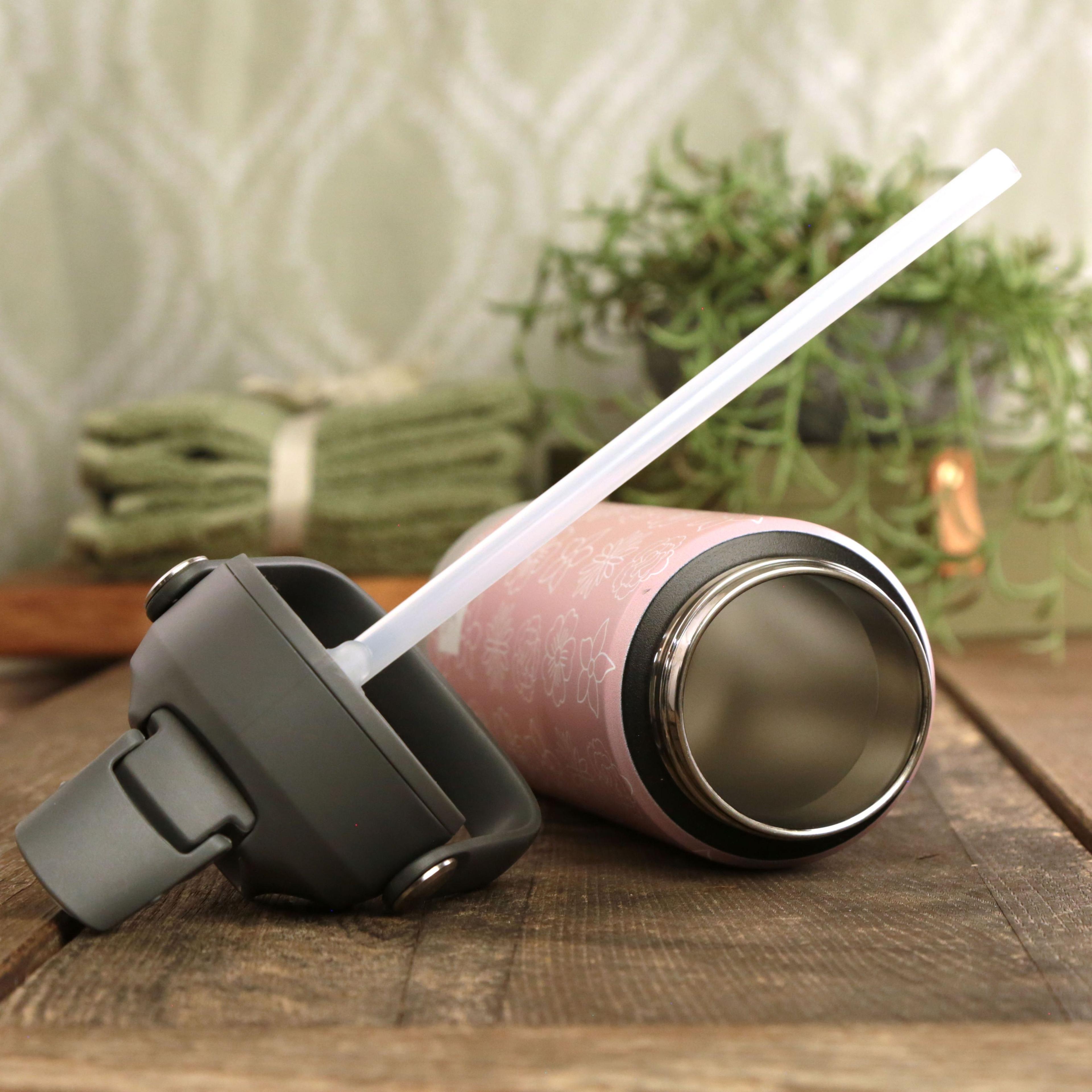
Tumbler with leak-proof sipper lid & silicone bumper
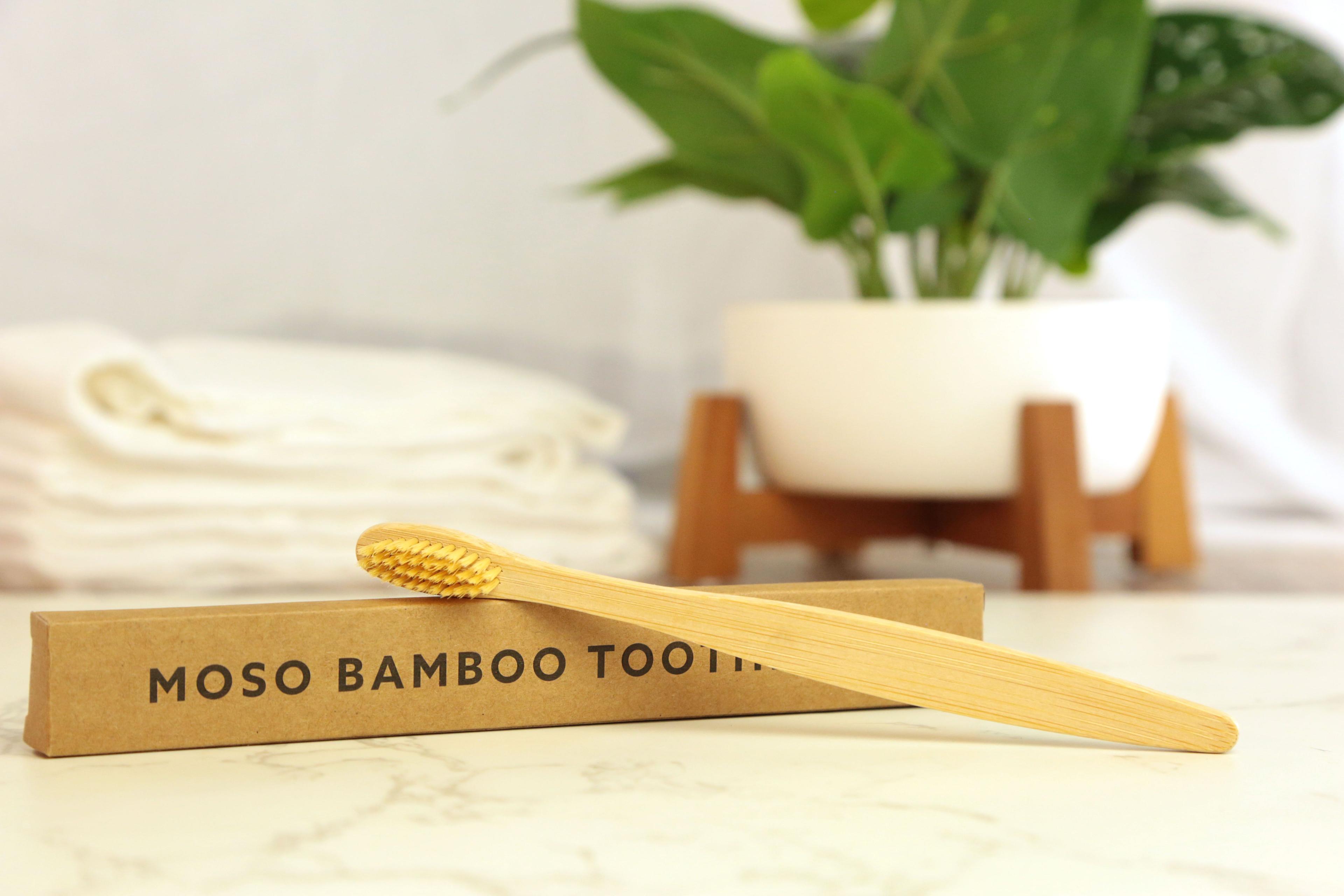
Eco-Friendly Oral Care
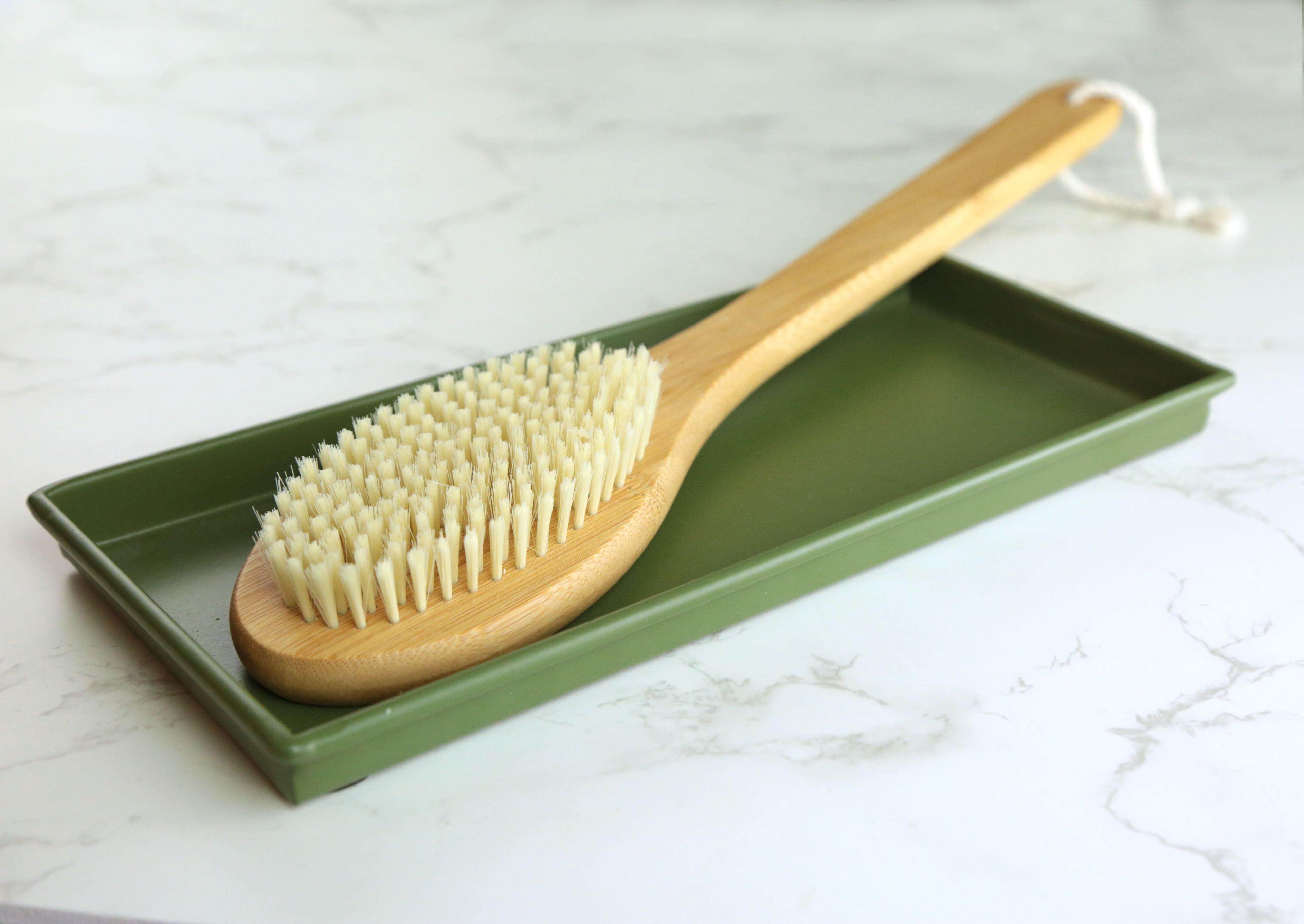
Natural exfoliation for radiant skin (gentle for all skin types)

Solid grease-fighting soap for dishes
For face, hair, and body
Gently cleanse and moisturize curls
Silicone lunch box for easy on-the-go meals and snacks
Stay Connected
Get updates and exclusive offers straight to your inbox.