What You Need to Know about Liver Support
Fatigue. Bloating. Skin acting up. Hormones all over the place. Just generally feeling…blah.
There are a LOT of reasons we can feel this way. But one area that often gets overlooked is liver health.
Usually when we hear “liver,” we immediately think detox. And yes, detoxification is a big part of what the liver does. But our liver is actually involved in hundreds of processes in the body. It helps process nutrients, makes bile for digestion, plays a role in blood sugar balance, processes hormones, and deals with substances our bodies don’t need anymore.
Basically, our liver is busy.
And in our modern world, our bodies are dealing with a lot. Things in our food, water, air, personal care products, household products, medications, and everyday environment all eventually have to be processed in some way.
That’s why I’m a big believer in supporting our natural detox pathways regularly instead of waiting until we feel terrible and then jumping into some extreme cleanse.
Gentle support can go a long way.
And that's something I've seen in my own family, too.
The Time My 14-Year-Old Needed Liver Support
A few years ago, my then-14-year-old son wasn't feeling well.
He kept complaining of pretty strong pain on his right side. Since the pain was significant and we didn't know what was causing it, we took him to urgent care to rule out appendicitis or anything else serious.
Several hours and a LOT of painful prodding later, they basically sent us home with, “We don't know. Maybe a virus.”
He was not impressed. 😂
I went back through his lab results afterward and realized that liver support was something I wanted to focus on.
So that's what we did.
I started using liver-supporting herbs with him and doing castor oil packs regularly.
Within a day or two, he was feeling much better.
That experience really stuck with me because it was such a good reminder that sometimes our bodies don't necessarily need something complicated.
Sometimes they just need support.
Obviously, strong or unusual abdominal pain can have many causes, and that's why we ruled out the urgent stuff first. But once we had done that, I felt comfortable turning to the natural tools I knew and supporting his body at home.
What Do We Mean by “Liver Congestion?”
You'll hear the phrase “liver congestion” quite a bit in the natural health world.
It isn't a specific medical diagnosis. It's more of a way of describing a liver that may be struggling to keep up with everything we're asking it to do.
Remember, the liver isn't only dealing with things that come from outside the body.
It's also processing things our own bodies make.
Hormones are a great example.
Our bodies make hormones, those hormones do their jobs, and eventually they need to be processed and cleared. The liver plays an important role in that process.
It also makes bile, which helps us digest fats and absorb certain nutrients. It processes and stores nutrients, supports metabolism, and is involved in hundreds of other processes.
So when I'm thinking about someone's overall wellness, liver support is often somewhere on my radar.
What Might Liver Stress Look Like?
This is where things can get tricky because liver-related symptoms can overlap with a LOT of other things.
Some people who are looking into liver support may be dealing with things like:
- Fatigue
- Bloating
- Digestive changes
- Occasional nausea
- Skin breakouts
- Hormonal changes
- Headaches
- Irritability
- Poor sleep
- Sensitivity to certain smells or chemicals
- Feeling sluggish
- Discomfort around the upper-right abdomen
That doesn't mean one breakout or one bad night's sleep equals “congested liver.”
Our bodies aren't that simple.
I like to look at patterns.
What's been changing?
How are you eating?
How's digestion?
Are you sleeping?
Have there been new exposures?
Are your hormones shifting?
How do you feel overall?
Natural wellness is often less about chasing one symptom and more about looking at the whole person.
So How Do We Support the Liver?
Thankfully, you don't need a complicated 47-step detox protocol.
Actually, please don't. 😂
More isn't always better when it comes to detox.
Your liver is already doing this work every single day. The goal is to nourish the body and support its natural detoxification pathways… not try to force everything out overnight.
Here are some of my favorite ways to do that.
1. Eat Real, Nourishing Food
I know.
Not nearly as exciting as a secret liver cleanse.
But food matters.
Your body needs nutrients to carry out all these processes in the first place.
Focus on real foods as much as you reasonably can: vegetables, fruit, quality proteins, healthy fats, beans and legumes if you tolerate them, and whole grains.
Beets are one of my favorites for liver support.
Leafy greens and cruciferous vegetables are great too.
Berries, citrus, garlic, onions, and herbs and spices like turmeric can all easily become part of your normal meals.
You don't need to start eating a giant bowl of raw kale every morning.
Please don't make yourself miserable in the name of wellness.
Just start adding more nutrient-dense foods wherever you can.
2. Drink Your Water
Another boring answer. 😂
But hydration really does matter.
Water supports normal digestion, circulation, kidney function, and elimination — all things we want working well when we're supporting detox pathways.
You don't need to force a gallon a day.
Just drink consistently and pay attention to what your body needs.
And because water itself can be a source of unwanted exposures, I personally think a good water filter is one of the more practical wellness investments a family can make.
3. Move Your Body
You don't have to become a gym person.
Walking counts.
Gardening counts.
Hiking counts.
Playing outside with your kids counts.
Regular movement supports circulation, lymphatic flow, metabolism, and overall elimination.
Sometimes the simplest wellness tools are the ones we overlook because they aren't exciting enough to become a “protocol.”
4. Use Liver-Supporting Herbs
Okay, now we're getting to one of my favorite parts.
There are some really wonderful herbs traditionally used for liver support.
Milk thistle is probably one of the best known. It contains compounds collectively called silymarin and has a long history of use for supporting and protecting the liver.
Dandelion root is another favorite, especially when we're thinking about healthy bile flow and digestion.
Turmeric supports a healthy inflammatory response and provides antioxidant support.
Peppermint can be wonderful for digestive support.
And black pepper pairs beautifully with turmeric.
These are some of the reasons I formulated Liver Love.
Instead of needing five separate bottles sitting on the counter, Liver Love brings several of my favorite liver-supporting herbs together in one formula.
Simple is good.
Especially when you're actually trying to remember to take the thing every day.
5. Castor Oil Packs
Castor oil packs are another traditional wellness tool I really like.
They're also one of the things I used with my son when he was 14.
The idea is simple: castor oil is applied to a cloth and placed over the abdomen, often over the liver area, and you rest with it for a while. Many people also add gentle warmth.
Castor oil has been used traditionally for generations, and castor oil packs remain popular in natural wellness for supporting comfort, relaxation, and normal elimination pathways.
Do we have piles of modern clinical research proving that a castor oil pack literally pulls toxins out of the liver?
No.
And we don't need to pretend that we do.
Traditional use, personal experience, and modern clinical research are different types of information. I think there's room to acknowledge all three without pretending they're the same thing.
Personally, castor oil packs are a tool I have used in my own home and feel comfortable reaching for when they make sense.
Plus, they force you to lie down for a little while.
For some of us, that may be the hardest part. 😂
What About Castor Oil Packs for Teens?
Yes, this is something I've personally used with an older child.
My son was 14 when I used castor oil packs as part of the liver support I was giving him.
For a teen, I keep it pretty simple.
Use castor oil on intact skin. If they have very sensitive skin, test a small area first. If you're adding warmth, keep it comfortably warm rather than hot.
And obviously, use common sense.
A castor oil pack is a home wellness tool. It isn't the answer to an emergency.
In our case, my son's pain was significant enough that we first wanted to make sure we weren't dealing with appendicitis or another urgent issue. Once that was ruled out, I was comfortable supporting him naturally at home.
That's really how I approach these things.
Know your home remedies.
Know your child.
Pay attention.
And know when something is outside the realm of normal home care.
Don't Forget About the Liver-Hormone Connection
The liver and hormones are closely connected.
Our bodies are constantly producing hormones, and once those hormones have done their jobs, they eventually need to be processed.
The liver is part of that process.
This is one reason I often think about liver support when we're also talking about hormone wellness.
It doesn't mean every mood swing, breakout, irregular cycle, or hormonal symptom is automatically a liver issue.
But our body systems don't operate independently.
Everything is connected.
Supporting digestion can support hormone wellness.
Supporting the liver can support normal hormone processing.
Supporting good nutrition gives all of those systems the nutrients they need.
That's why I prefer whole-body support over chasing symptoms one by one.
You Don't Need a Huge Detox
This might be the biggest thing I want you to take away from this.
Please don't turn liver support into another stressful wellness project.
You don't need fifteen supplements.
You don't need to stop eating for a week.
You don't need an elaborate cleanse every month.
Start small.
Drink more water.
Eat some beets.
Add more greens.
Go for a walk.
Try some liver-supporting herbs.
Do a castor oil pack and actually lie down for half an hour.
Get some sleep.
Reduce unnecessary exposures where you reasonably can.
Then pay attention to how you feel.
Natural wellness doesn't always have to be dramatic.
Often, it's the small things we do consistently that make the biggest difference.
A Little Common Sense Goes a Long Way
I love having natural remedies at home.
I love knowing which herbs I can reach for.
I love that when someone in my family isn't feeling quite right, I have tools beyond simply waiting it out.
That's a huge part of why I became an herbalist in the first place.
But confident natural wellness also means knowing our limits.
Yellowing of the skin or eyes, severe or worsening abdominal pain, repeated vomiting, confusion, or someone who is clearly very unwell isn't the time to experiment with a stronger detox.
Those are situations where we want more information.
That doesn't take anything away from natural wellness.
It simply means we use the right tool for the situation.
The Bottom Line
Your liver is doing an incredible amount of work for you every single day.
And supporting it doesn't have to be complicated.
Feed your body well.
Drink your water.
Move.
Rest.
Use herbs thoughtfully.
Try a castor oil pack if it's a tool that makes sense for you.
Reduce unnecessary exposures where you can.
And give your body what it needs to do what it was designed to do.
That's what I did with my son.
We ruled out the urgent possibilities first, and then I turned to the natural tools I knew: liver-supporting herbs and castor oil packs.
Within a day or two, he was feeling like himself again.
That's the kind of natural wellness I love.
Not fear.
Not extremes.
Not chasing every new detox trend.
Just learning how the body works, keeping useful remedies on hand, and supporting it gently when it needs a little extra help.
Further Reading
What No One Tells You About Hormone Balance
What You Need to Know About Detoxing
What You Need to Know About the Lymphatic System
Disclaimer: This blog post is provided for educational and informational purposes only and does not constitute medical advice or professional services. These statements have not been evaluated by the FDA. The information provided should not be used to diagnose or treat a health problem or disease. Always seek the advice of a qualified healthcare provider regarding a specific medical condition.
Sources
- National Institute of Diabetes and Digestive and Kidney Diseases (NIDDK). Your Digestive System & How It Works.
- National Institute of Diabetes and Digestive and Kidney Diseases (NIDDK). Liver Disease.
- National Institute of Diabetes and Digestive and Kidney Diseases (NIDDK). Symptoms & Causes of NAFLD & NASH.
- National Institute of Diabetes and Digestive and Kidney Diseases (NIDDK). Diagnosis of NAFLD & NASH.
- National Institute of Diabetes and Digestive and Kidney Diseases (NIDDK). Eating, Diet, & Nutrition for NAFLD & NASH.
- American Academy of Pediatrics / HealthyChildren.org. Abdominal Pain – Male Symptom Checker.
- Cleveland Clinic. Castor Oil Benefits and Uses.
- Girdler K, Cabatu A, Olds H, Potts GA. Use of Castor Oil in Dermatology: A Narrative Review. Cureus. 2026;18(2).
Some of our top recommendations:
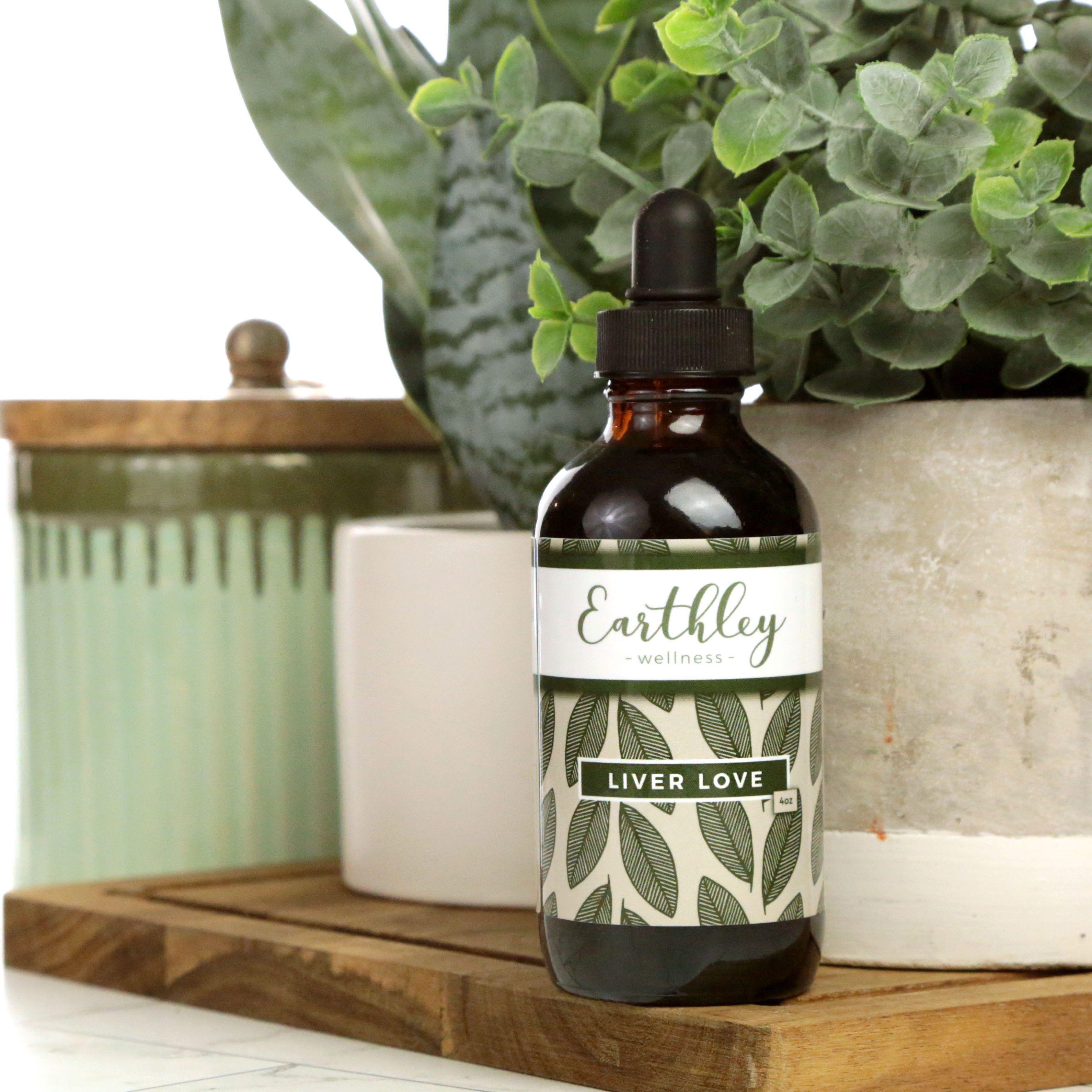
To support healthy liver function 🌿 30% off until 10/31

PDF Digital Download
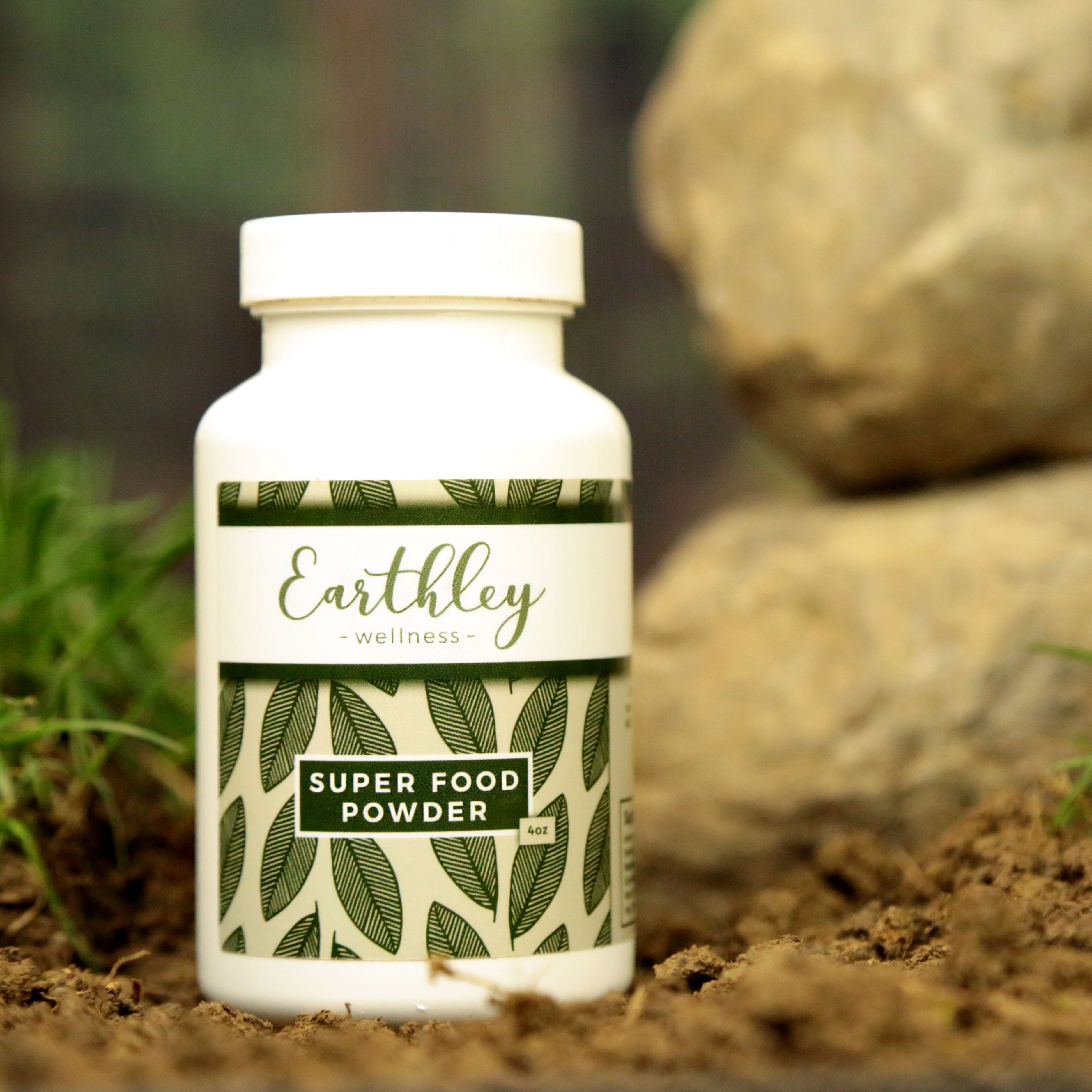
Promotes energy, gut health, and immunity with the nourishing power of plants
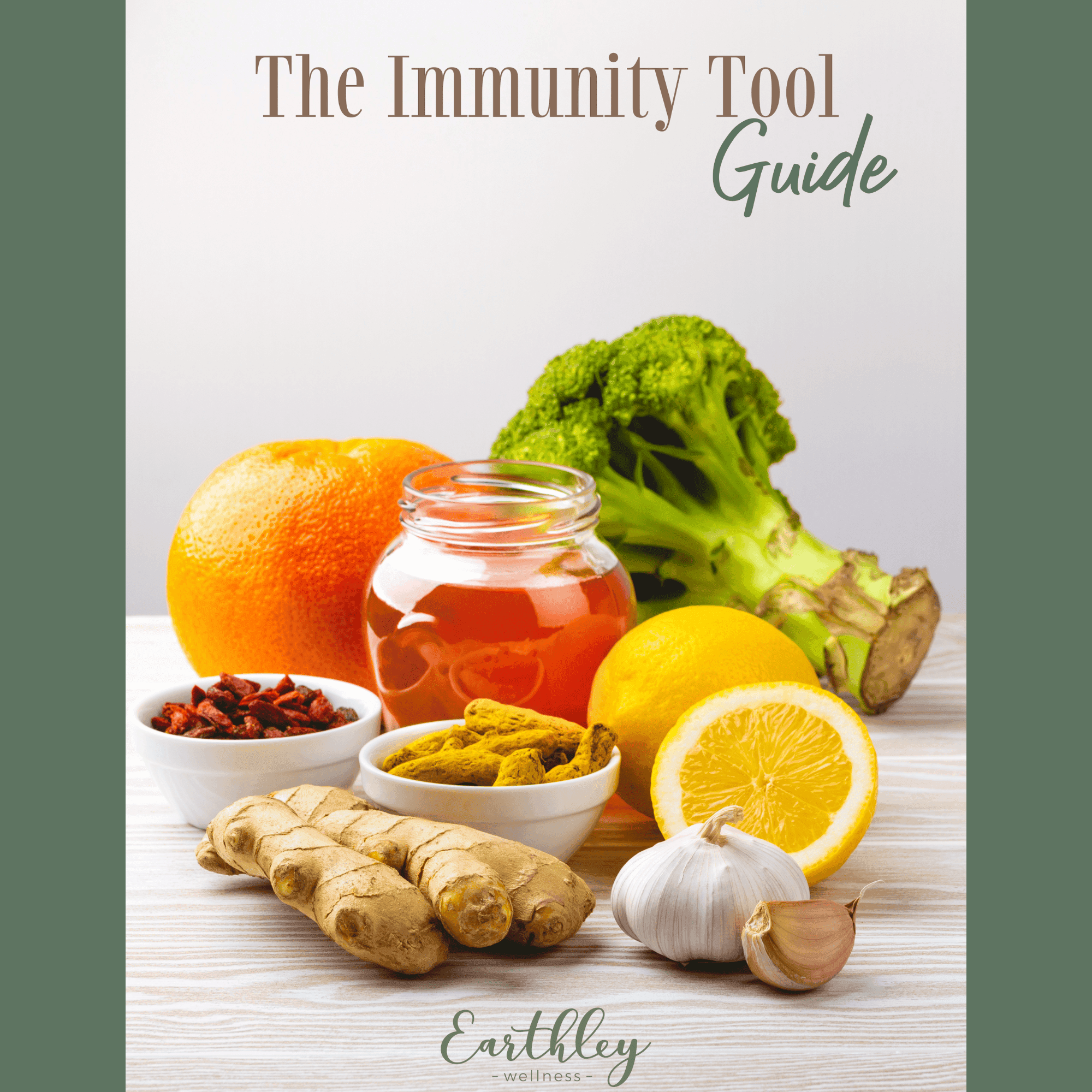
To promote a healthy lymphatic system.

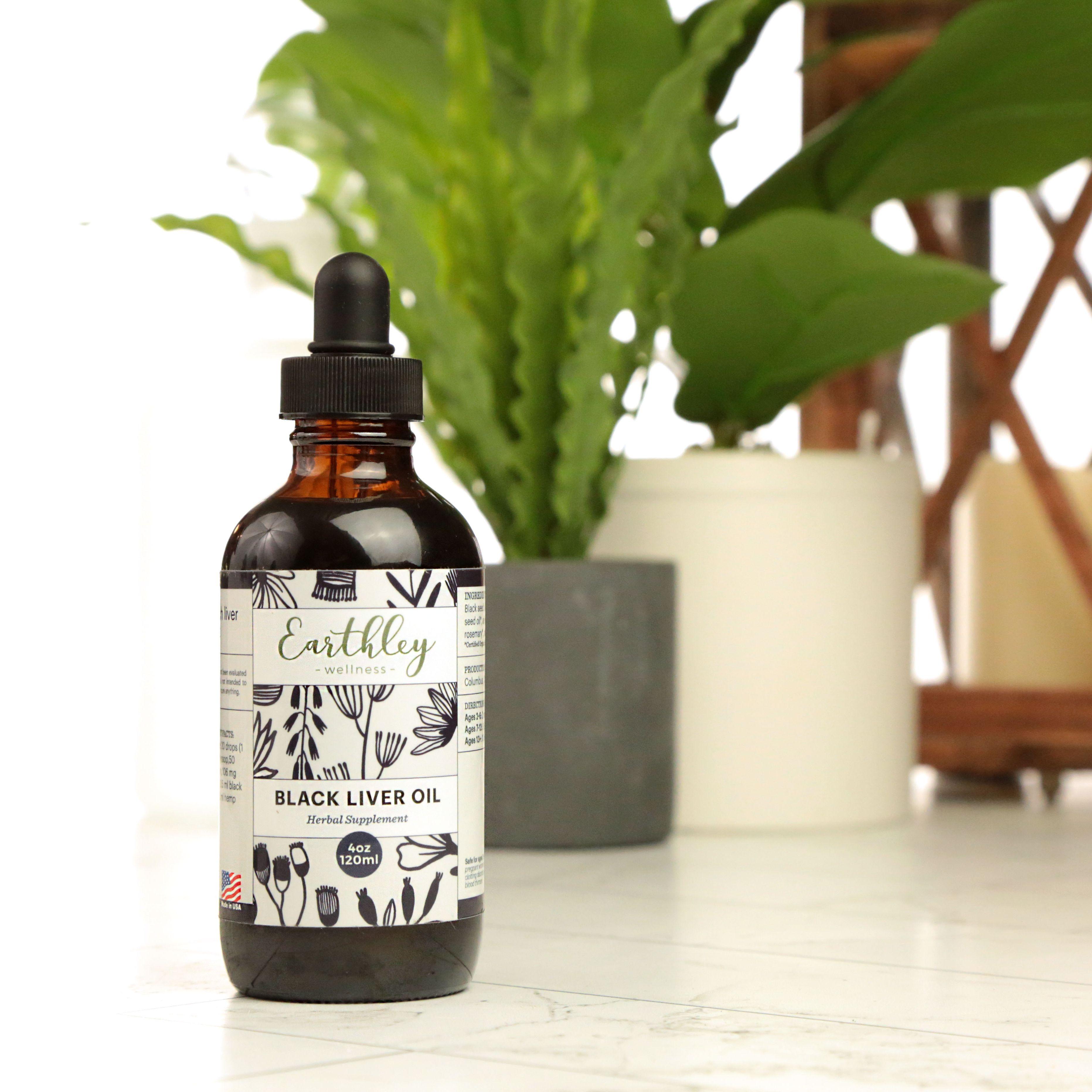
A nourishing oil that gently supports your body’s natural detoxification processes
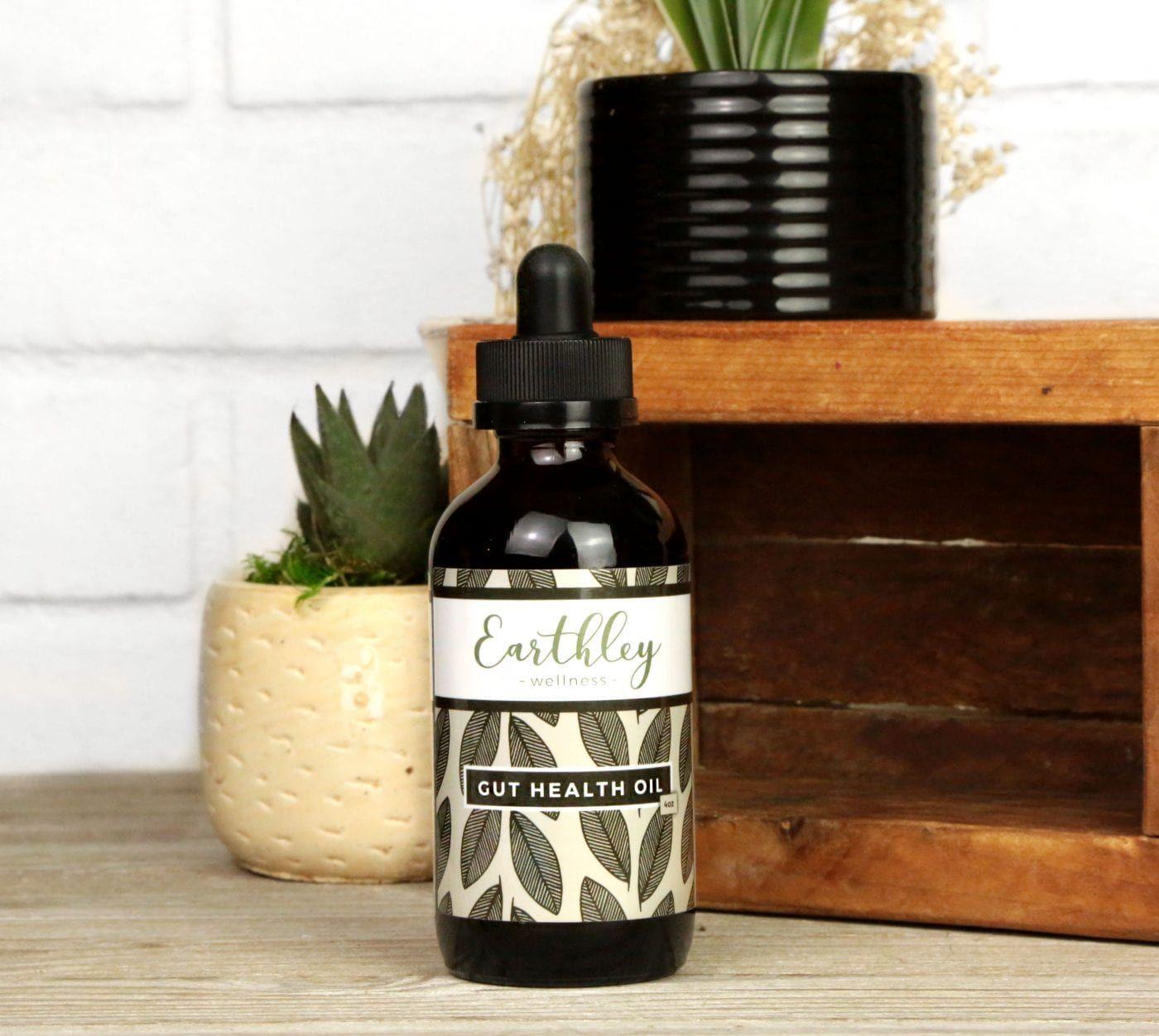
Supports digestive health and helps maintain a balanced microbial environment. Supports oral hygiene.
Stay Connected
Get updates and exclusive offers straight to your inbox.