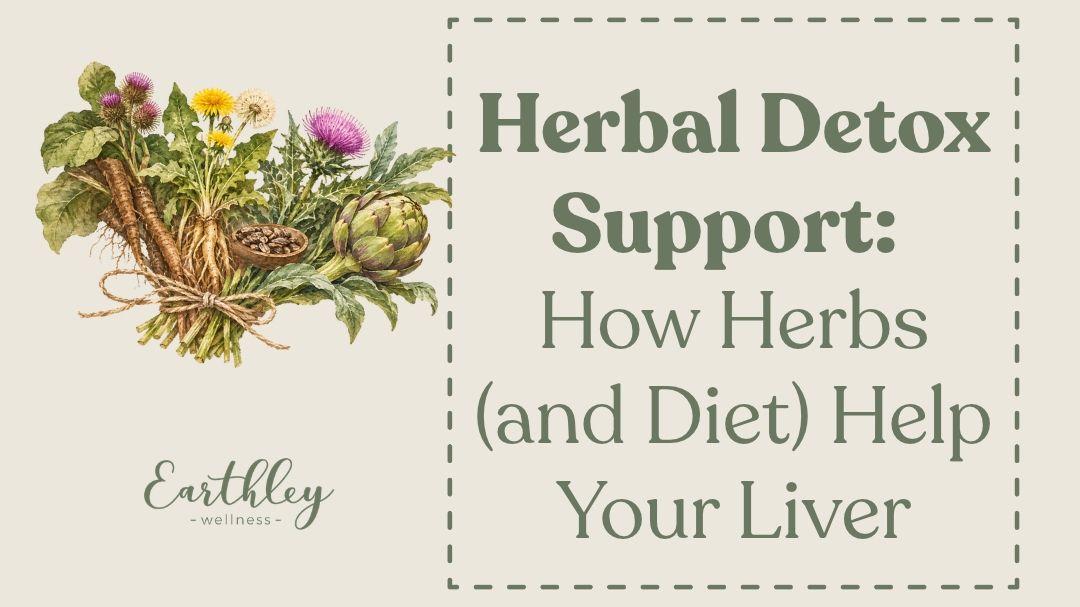
Herbal Detox Support: How Herbs (and Diet) Help Your Liver
Your liver works hard every day to support your body's natural detoxification processes. But does it really need a cleanse? Discover how traditional herbs like milk thistle, dandelion root, burdock, and artichoke may support healthy liver function. Plus, learn how nutrient-rich foods, hydration, and simple lifestyle habits can nourish your body naturally—without extreme detox diets or complicated cleanses.
“Detox” is a word we hear all the time in the natural wellness world. There are detox teas, juice cleanses, supplements, fasting protocols, and countless programs promising to help cleanse the body.
But here’s something important to remember: your body already has a detoxification system.
And your liver is one of its biggest players.
Rather than trying to force the body through an intense cleanse, a gentler approach focuses on supporting the organs and processes that are already working every day. Nourishing foods, traditional herbs, hydration, movement, and adequate rest can all play a role in supporting normal liver function.
Let’s take a closer look at what your liver actually does... and some simple ways you can support it.
Your Liver: The Body’s Natural Detox System
The liver is one of the largest organs in the body, and it has a lot of jobs.
It helps process nutrients from the foods you eat, produces bile to help digest fats, stores certain vitamins and minerals, helps regulate blood sugar, and processes many substances before they are used by or eliminated from the body.
The liver also helps transform substances that the body doesn’t need into forms that can eventually be eliminated.
In other words, detoxification isn’t something that only happens when you drink a special tea or start a cleanse.
Your body is doing it all the time.
The liver works alongside the kidneys, digestive system, lungs, skin, and lymphatic system as part of the body’s normal elimination processes.
That’s why a healthy approach to “detox” is less about trying to flush everything out as quickly as possible and more about giving your body what it needs to carry out these normal functions.
What Can Put Extra Demands on the Liver?
Your liver is designed to do a tremendous amount of work, but modern life can give it plenty to process.
Some everyday factors that may affect overall liver health include:
- Diet
- Alcohol consumption
- Certain medications
- Environmental exposures
- Lack of physical activity
- Poor sleep
- Nutritional deficiencies
This doesn’t mean we need to fear everything we eat, touch, or encounter.
It simply means supporting overall health.... Including liver health absolutely is worthwhile.
And thankfully, liver support doesn’t have to involve an extreme cleanse.
Traditional herbs and nutrient-dense foods can be simple places to start.
Herbs That Support Liver Health
Herbalists have traditionally used a variety of plants to support the liver and digestive system. Many of these herbs have long histories of use and can easily be incorporated into an overall wellness routine.
Here are four well-known herbs traditionally used for liver and digestive support.
Milk Thistle
Milk thistle (Silybum marianum) is probably one of the best-known herbs associated with liver health.
Its seeds contain a group of plant compounds collectively known as silymarin. Milk thistle has traditionally been used to support normal liver function and provide antioxidant support.
Because the liver is constantly processing nutrients and other compounds, antioxidant support can be an important part of maintaining normal cellular health.
Milk thistle is commonly found in tinctures, capsules, teas, and other herbal preparations.
Dandelion Root
You may know dandelions as the little yellow flowers growing throughout lawns and fields, but herbalists have valued this common plant for generations.
Dandelion root (Taraxacum officinale) has traditionally been used to support both digestion and liver function.
It is considered a bitter herb. Bitter herbs have traditionally been consumed before or around meals to encourage normal digestive processes, including digestive secretions and bile flow.
Dandelion root can be prepared as a tea or decoction and is also commonly found in tinctures and herbal blends.
As a bonus, roasted dandelion root has a deep, earthy flavor that makes it a popular caffeine-free alternative to coffee.
Burdock Root
Burdock (Arctium lappa) is another traditional herb often included in herbal formulas designed to support normal elimination and digestion.
Herbalists have historically used burdock root as a nourishing herb and to support the liver, digestive system, and skin.
Burdock root contains naturally occurring plant compounds as well as inulin, a type of prebiotic fiber that can help nourish beneficial gut bacteria.
Since the digestive system is one of the body's major routes of elimination, supporting healthy digestion is an important piece of overall wellness.
Burdock can be prepared as a decoction, used in herbal blends, and even eaten as a vegetable in some cuisines.
Artichoke
Artichoke (Cynara scolymus) isn't just something to put on your dinner plate.
The leaf has a long history of traditional use for digestive and liver support.
Like dandelion, artichoke is naturally bitter. It has traditionally been used to support healthy digestion and normal bile production and flow, which helps the body digest fats.
Artichoke leaf is often used in teas, tinctures, capsules, and herbal digestive formulas.
Diet Matters
Herbs can be wonderful tools, but they can't replace the basics.
The foods you eat provide the protein, vitamins, minerals, antioxidants, and other nutrients your body needs to carry out its everyday functions.
Instead of focusing on a restrictive “detox diet,” aim for a variety of nourishing whole foods.
Get Enough Protein
Protein provides amino acids that the body uses for countless processes, including producing enzymes and other compounds involved in normal metabolism.
Good protein sources will look different depending on your dietary preferences, but the goal is to make sure you're consistently getting enough rather than dramatically restricting food in the name of detoxing.
Don't Forget Fiber
Fiber supports healthy digestion and regular bowel movements, an important part of the body's normal elimination process.
Whole-food sources of fiber include:
- Vegetables
- Fruits
- Beans and lentils
- Nuts
- Seeds
- Whole grains
Gradually increasing fiber while drinking enough fluids can help support healthy digestion.
Eat Your Cruciferous Vegetables
Broccoli, cauliflower, cabbage, Brussels sprouts, kale, and other cruciferous vegetables contain a variety of beneficial plant compounds.
Rather than thinking of these foods as something that “detoxes” the liver, think of them as nutrient-dense foods that provide compounds the body can use as part of its normal metabolic processes.
Add Leafy Greens and Berries
Leafy greens provide vitamins, minerals, fiber, and phytonutrients, while berries are rich in naturally occurring antioxidant compounds.
Variety matters, so try rotating the produce you eat instead of relying on one supposed “superfood.”
Stay Hydrated
Water doesn't magically wash toxins out of your liver, but adequate hydration is still essential.
Fluids support normal circulation, digestion, kidney function, and waste elimination.
Your needs may vary based on your activity level, climate, diet, and other factors, so pay attention to your body's thirst cues and make hydration part of your daily routine.
What About Foods That Make the Liver Work Harder?
Supporting the liver isn't only about what you add. It can also mean being mindful of what you consume regularly.
A diet built mostly around whole or minimally processed foods provides more nutritional value than one dominated by highly processed foods.
Alcohol is another important consideration because the liver is responsible for metabolizing it. Limiting alcohol — or avoiding it altogether — reduces that particular demand on the liver.
That doesn't mean you need a perfectly “clean” diet.
What you do consistently matters far more than one meal, one dessert, or one less-than-perfect day.
Simple Ways to Support Your Liver Every Day
Supporting your liver doesn't require a complicated protocol.
Start with the basics:
- Eat a variety of nourishing whole foods.
- Include adequate protein and fiber.
- Eat plenty of colorful vegetables and fruits.
- Stay adequately hydrated.
- Consider traditionally used liver-supportive herbs such as milk thistle, dandelion root, burdock root, and artichoke.
- Move your body regularly.
- Prioritize adequate sleep.
- Limit excessive alcohol consumption.
- Avoid unnecessary extreme cleanses or restrictive detox programs.
These habits may not sound as exciting as a three-day cleanse promising dramatic results, but sustainable wellness usually isn't about doing something extreme for a few days.
It's about what you consistently give your body over time.
Support, Don't Force
Your liver doesn't need you to teach it how to detox.
It already knows what to do.
Our job is to support the body with the nutrients, herbs, hydration, movement, and rest it needs to carry out its normal functions.
Traditional herbs like milk thistle, dandelion root, burdock root, and artichoke can be useful additions to a liver-supportive lifestyle. Pair them with nutrient-dense foods, plenty of fiber, adequate hydration, regular movement, and good sleep, and you have a much more sustainable approach than chasing the latest extreme detox.
When it comes to supporting your body's natural detoxification processes, think nourishment rather than punishment, consistency rather than extremes, and support rather than force.
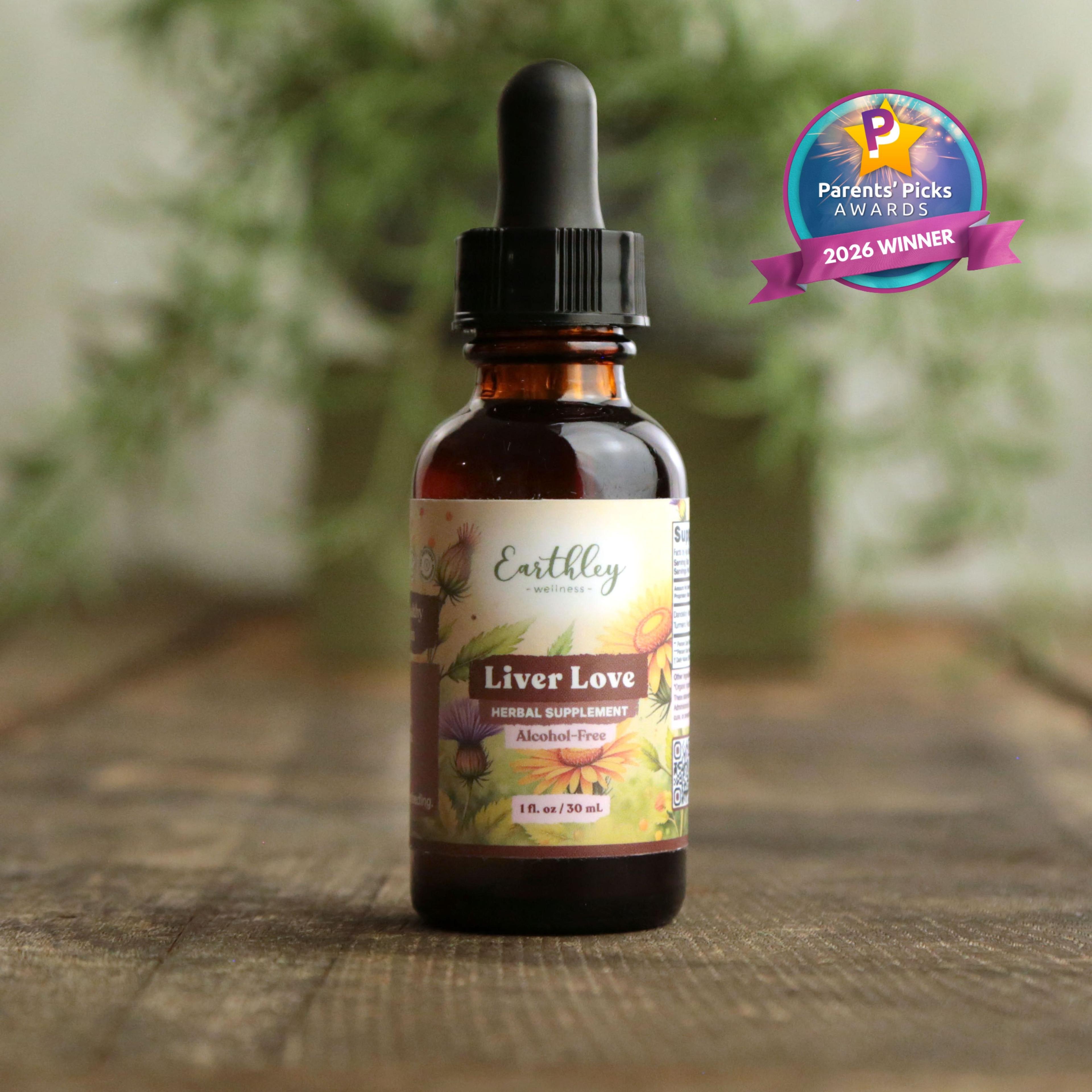
To support healthy liver function

Whole, natural nutrition for HER

Whole, natural nutrition for all

Whole, natural nutrition for HIM

Healthy from-scratch recipes and kitchen basics

Promotes energy, gut health, and immunity with the nourishing power of plants

Real food greens powder that provides natural energy and balanced nutrition

Digest Ease Herbal Tincture for Gas, Bloating & Gut Support
Stay Connected
Get updates and exclusive offers straight to your inbox.