Understanding the 4 Phases of Your Cycle (and How to Eat for Them)
Understanding the phases of the menstrual cycle can help you feel more connected to your body and better support your overall wellness routines throughout the month. In this article, we explore the four phases of the cycle, common changes that may occur during each stage, and natural lifestyle habits that can help support everyday hormone wellness, self-care, nourishment, and cycle awareness.
If you grew up knowing little more than “periods happen once a month – and we don’t talk about them,” you are not alone. For generations, most health classes focused on the male body, leaving us with only fragments of information about our own.
Yet long before modern medicine narrowed its lens, women understood their rhythms and supported them with food, herbs, and rest. It’s time to reclaim that wisdom – and it starts with learning the natural ebb and flow of our hormones.
In This Article, We’ll Look At:
- What’s happening during the four phases of the menstrual cycle.
- How to nourish and care for your body during each phase.
- Honoring your unique journey through your cycle.
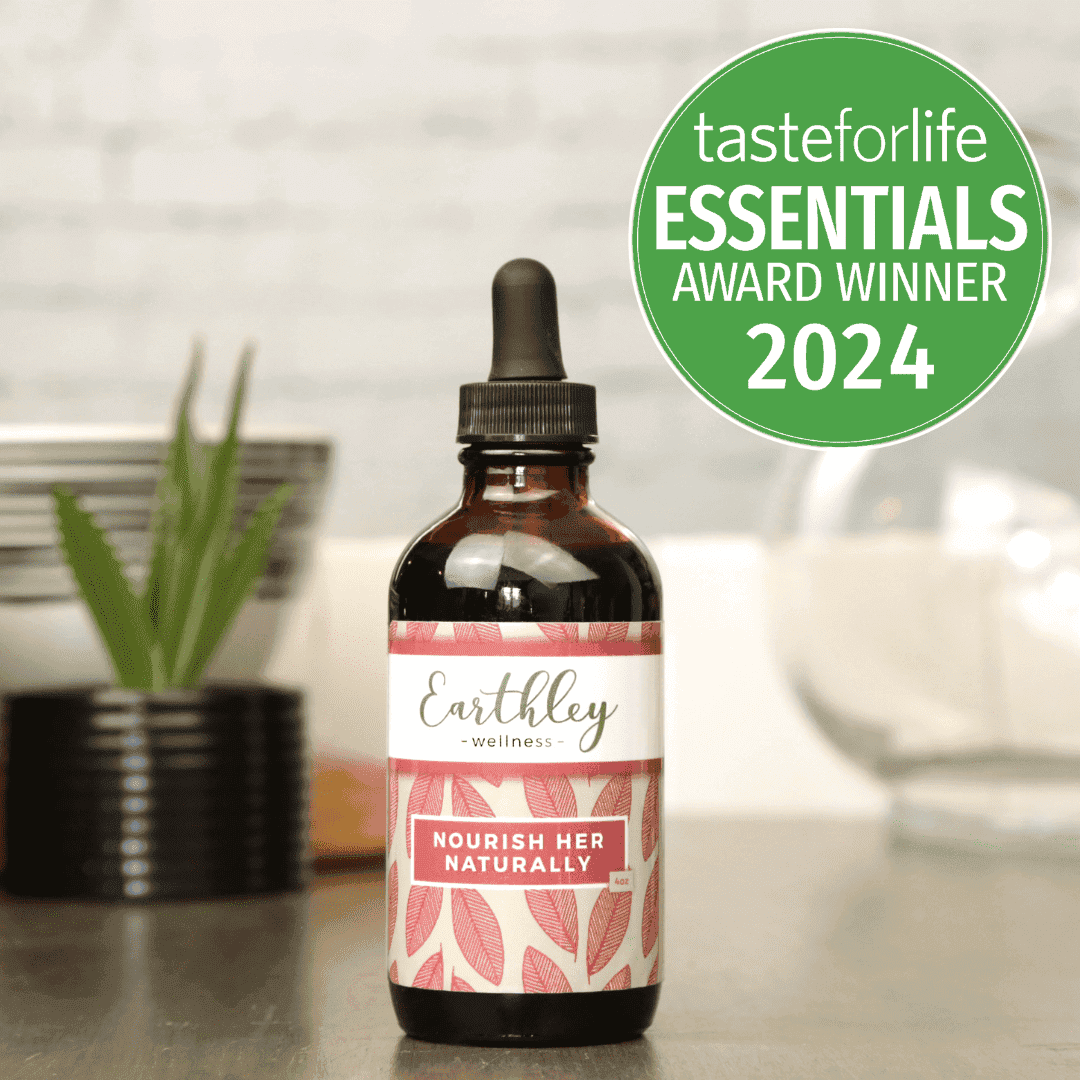
No matter what phase of our cycle we’re in, our bodies need fundamental nutrients to thrive, especially when we’re busy. That’s why we blend vitamin- and mineral-packed herbs into our easy-to-take Nourish Her Naturally liquid multivitamin.
The Basics of Male and Female Hormone Cycles
Males and females do both have cycles, but they are not the same at all. Male hormones fluctuate on a 24-hour cycle, meaning their hormones reset daily (testosterone wanes throughout the day, generally lowest at night). Their energy, metabolism, and mood are relatively stable, predictable, and consistent because of this.
Female hormones, on the other hand, undergo a roughly 28 - 33 day cycle, with four distinct phases – each affecting their energy, mood, metabolism, cognitive function, and overall well-being in completely different ways.
These are very general guidelines—hormonal shifts and phase/cycle length vary between every individual.
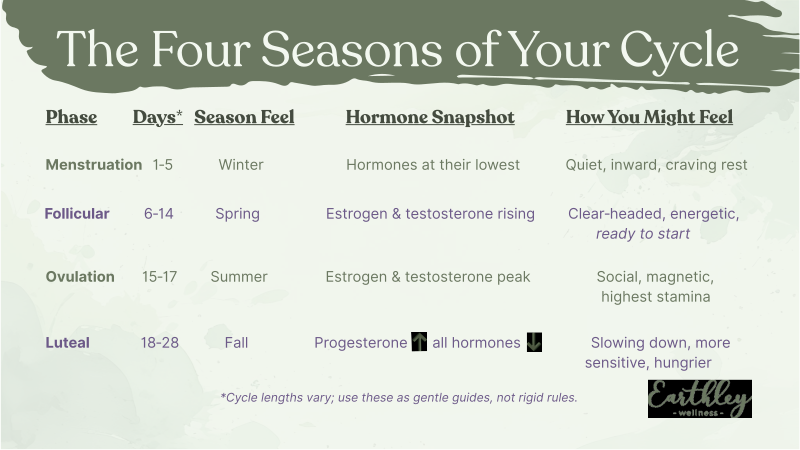
Phase 1: Menstruation – Your Cycle’s Winter Rest
Days: 1 - 5 (varies)
What’s happening: The uterine lining sheds. Iron and fluid loss can leave you tired or crampy.
When we hear “menstrual cycle,” most of us immediately think of our period – but that’s actually just one part of the cycle. Menstruation occurs when our hormones reach their lowest point, signaling the uterus to shed its lining, also known as your period. During this time, you’re losing iron and releasing prostaglandins, which can trigger cramping and fatigue.
Nourish with iron‑rich and anti‑inflammatory foods:
- Proteins: grass-fed red meat, liver, duck, pork, sardines, lentils, kidney beans
- Vegetables: spinach, chard, kale, beets, mushrooms, root veggies
- Fruits: blueberries, blackberries, cherries, papaya, watermelon
- Grains: wild rice, buckwheat
- Nuts and seeds: pumpkin seeds, flax seeds, brazil nuts (Read about Seed Cycling here)
- Herbs: turmeric, nettle, raspberry leaf, cramp bark, peppermint
Hydrate & soothe: Aim for ~80 oz water. Add electrolytes to help with minerals when needed. Swap coffee for herbal teas to avoid extra cramping.
Move gently: Walks, restorative yoga, or simply extra sleep – listen to your body’s call for coziness.
Herbal Support: Ease the Ache to help support discomfort during menstruation.
Follicular – Spring Awakening
Days: 6 - 14 (varies)
What’s happening: Estrogen climbs, an egg matures, creativity sparks.
The follicular phase is the time when our hormones begin to rise again, helping the uterus prepare the egg that will be released in the next phase. As estrogen and testosterone levels steadily increase, we naturally feel more energetic, mentally clear, strong, and lively. Follicular is like spring -- a season of renewal, fresh energy, and new beginnings.
Nourish with energizing, gut‑friendly foods:
- Protein: Poultry, white fish, eggs, dairy products.
- Vegetables: lettuce, peas, green beans, carrots, sprouts, artichokes, broccoli, parsley, cilantro
- Fruit: Lemons, oranges, limes, pineapple, kiwi, strawberries
- Grains: quinoa, oats, rye, sourdough
- Fermented foods: sauerkraut, kombucha, miso
- Nuts and Seeds: almonds, hemp seeds, pumpkin seeds, flax seeds, Brazil nuts (Read about Seed Cycling here)
- Herbs: dandelion root, red clover, schisandra berries, nettle, burdock root
Hydration: About 2 quarts daily; citrus‑infused water pairs well with a morning coffee.
Movement: Gradually build toward more challenging movement: Cardio, strength training, and new workouts may feel good as you move through this phase.
Herbal Support: Natural Balance to support your steadiness during your follicular phase.
Ovulation – Summer Peak
Days: 15 - 17 (varies)
What’s happening: Hormones surge; the egg is released. You may feel outgoing and strong.
Ovulation is the shortest phase. It is a time when testosterone and estrogen are at their highest, signaling to your body to release an egg into your fallopian tubes for fertilization. Ovulation is like summer – full of energy and connection. It's a time when we feel the most alive, outgoing, social, and magnetic.
Nourishing foods to help beat bloat & support detox:
- Protein: grass-fed red meat, dark poultry meat, lamb, salmon, shellfish, eggs.
- Vegetables: broccoli, dark leafy greens, tomatoes, bell peppers, potatoes, zucchini, eggplant, asparagus, microgreens, beets
- Fruits: blueberries, all berries, ginger, grapefruit
- Grains: Quinoa, amaranth, brown rice
- Nuts and seeds: macadamia nuts, pistachios, sesame seeds, sunflower seeds (Read about Seed Cycling here)
- Herbs: nettle, ginger, red clover, chaste tree, raspberry leaf
Hydration: 2 quarts water; add greens powder or ginger shot for extra fiber.
Ginger shots to help ease occasional bloating during ovulation.
High Energy Movement: Runs, spin classes, hot yoga—enjoy the power while it lasts.
Herbal Support: Lunamore to support your hormones during ovulation.
Luteal – Autumn Wind‑Down
Days: 18 - 28 (varies)
What’s happening: If pregnancy doesn’t occur, hormones fall. PMS can appear as mood shifts, cravings, or tenderness.
When you think of mood swings, you’re likely thinking of your luteal phase.
Luteal is the time when, if an egg hasn’t been fertilized, it disintegrates as your body prepares for a new menstrual cycle and your hormones begin to decline. During the first 2 or so days of this phase, you will experience stable energy, but it will slowly decline over the remaining 2 weeks.
This is where PMS comes into play -- if pregnancy doesn’t happen, your hormones take a considerable drop. When estrogen plummets, so does serotonin, which can look like:
- Feeling sad or on edge.
- Fatigue.
- Brain fog, sore breasts, headaches, and more.
- Increased hunger and cravings.
Supporting your liver during this time is crucial, as it will help your body rid itself of excess estrogen and can likely decrease premenstrual symptoms.
What to Eat:
Nourish with comforting, mineral‑rich foods
Your body requires additional nutrients during this period as it prepares to lose a significant amount of blood during the next phase of your cycle. Focusing on foods that are high in magnesium, nutrient-dense, comforting, and rich in fiber, as well as packed with iron, will best support your body during your luteal phase.
Protein: grass-fed red meat, turkey, salmon, halibut, tuna, black beans, chickpeas.
- Vegetables: cabbage, kale, chard, arugula, celery, squash, pumpkin, sweet potatoes, radishes
- Fruit: avocados, raspberries, figs, apples, pears, bananas, dates
- Grains: brown rice
- Nuts and seeds: sesame seeds, sunflower seeds, almonds, walnuts (Read about Seed Cycling here)
- Herbs: peppermint, lemon balm, catnip, lavender, chamomile, ginger, burdock, dandelion
- Dark chocolate -- preferably cacao for maximum magnesium Herbs: peppermint, lemon balm, catnip, lavender, chamomile, ginger, burdock, dandelion
Hydration: 2 quarts water; skip caffeine to ease cortisol spikes. Try calming teas instead.
Bone Broth Hot Chocolate to nourish your body during luteal.
Move intuitively:
- Early luteal = moderate intensity
- Late luteal = walking, gentle yoga, light weights.
Liver Love to support balance and vitality during luteal.
A Gentle Reminder
Your cycle isn’t a flaw to “fix” but a rhythm to live alongside. By honoring each phase – resting when energy dips, fueling when hunger rises, and moving in ways that feel good – you can shift monthly discomfort toward deeper self‑connection.
And keep in mind—no two bodies cycle in exactly the same way and our patterns fluctuate as the years go by. These are general guidelines, but the most important thing you can do is listen to your own body.
By letting your body’s seasons guide your support, there’s potential for a steadier mood, fewer PMS symptoms, and a newfound respect for the incredible system that is uniquely yours.
Key Takeaways
Your menstrual cycle has four distinct phases—menstruation, follicular, ovulation, and luteal—each with different hormonal shifts, energy levels, and wellness needs.
Supporting each phase with nourishing foods, adequate hydration, appropriate movement, and intentional rest can help you work with your body’s natural rhythm.
Cycle patterns vary from person to person and can change over time, so use these guidelines as a starting point and listen to your body’s individual needs.
Interested in learning more about how your liver health plays into your menstrual cycle picture? Our Is Your Liver Health Affecting Your Hormones? post gets into the details and offers more guidance for liver and hormone support.
Check out these products!
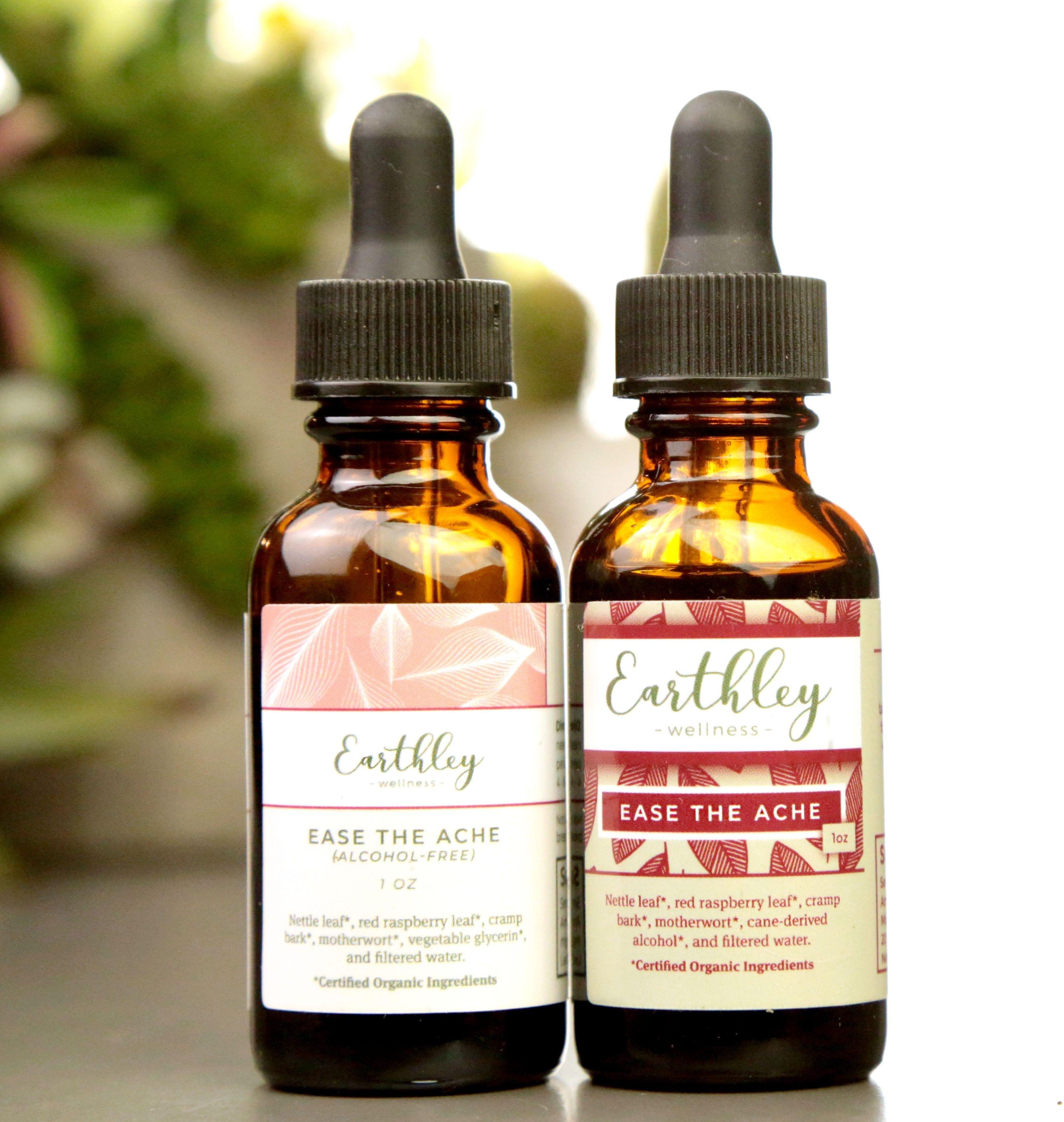
Nourishing herbal formula that supports hormonal balance and overall menstrual wellness.
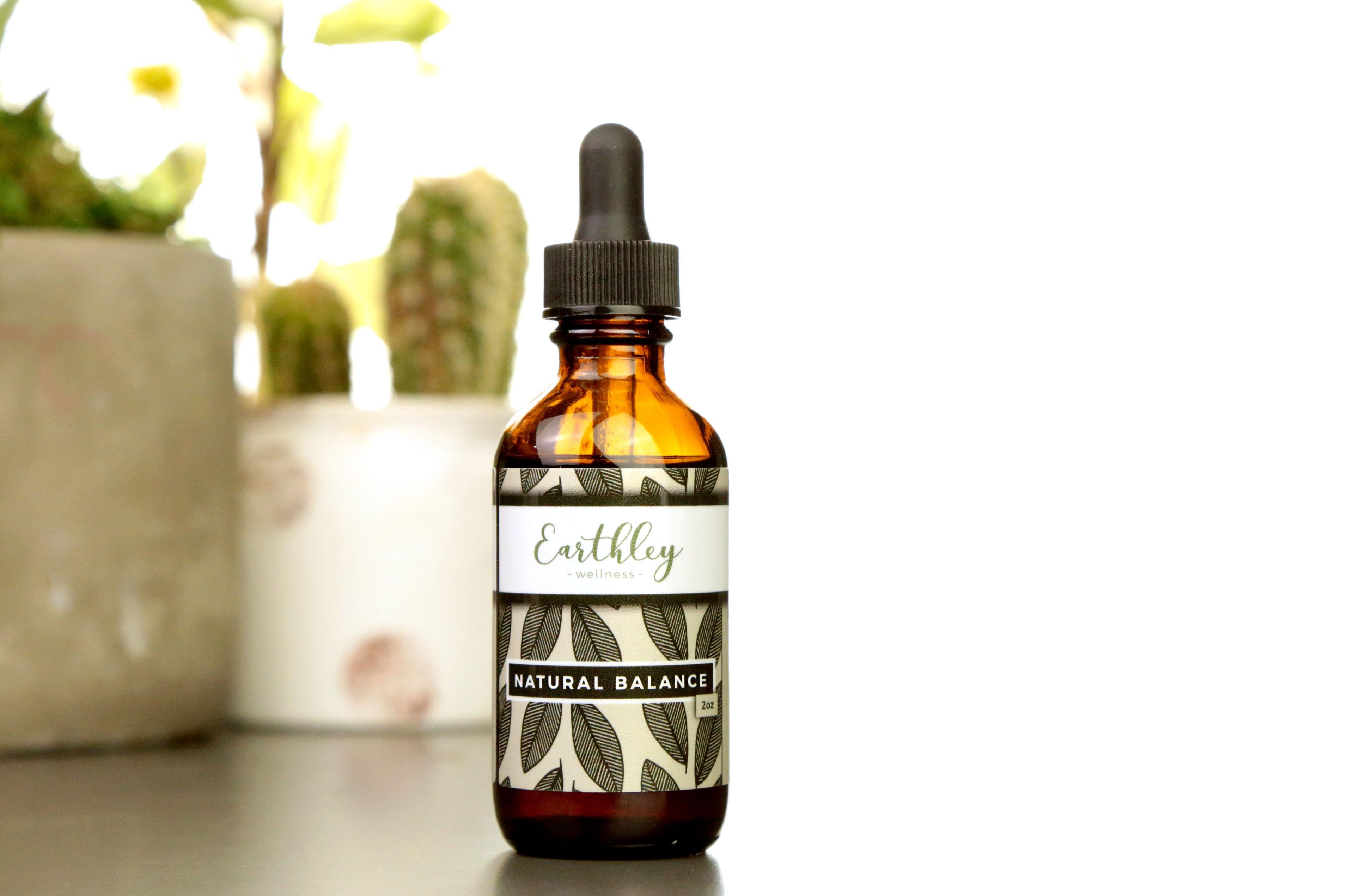
For hormone and energy support.
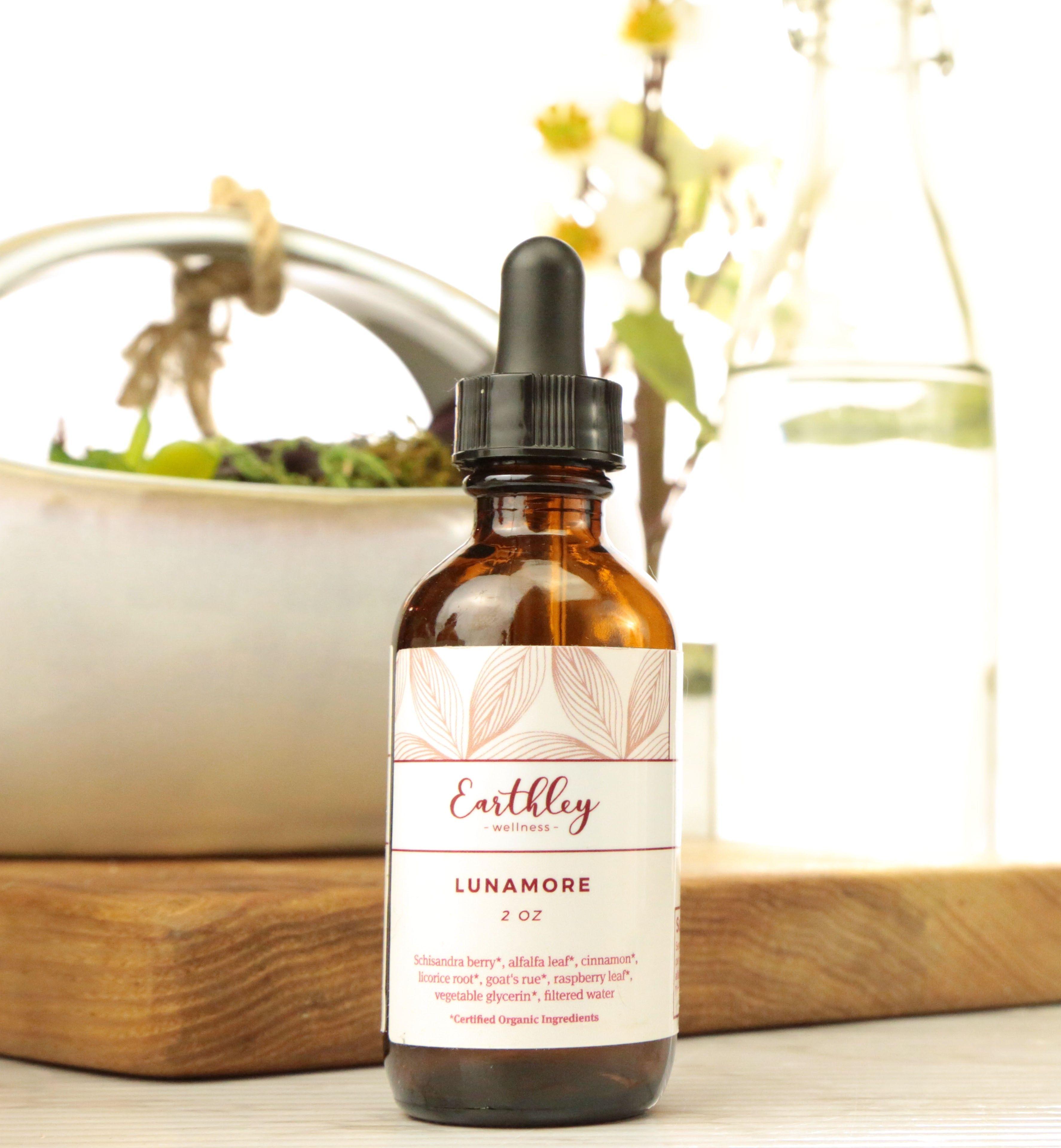
Balances your cycle and supports healthy metabolism
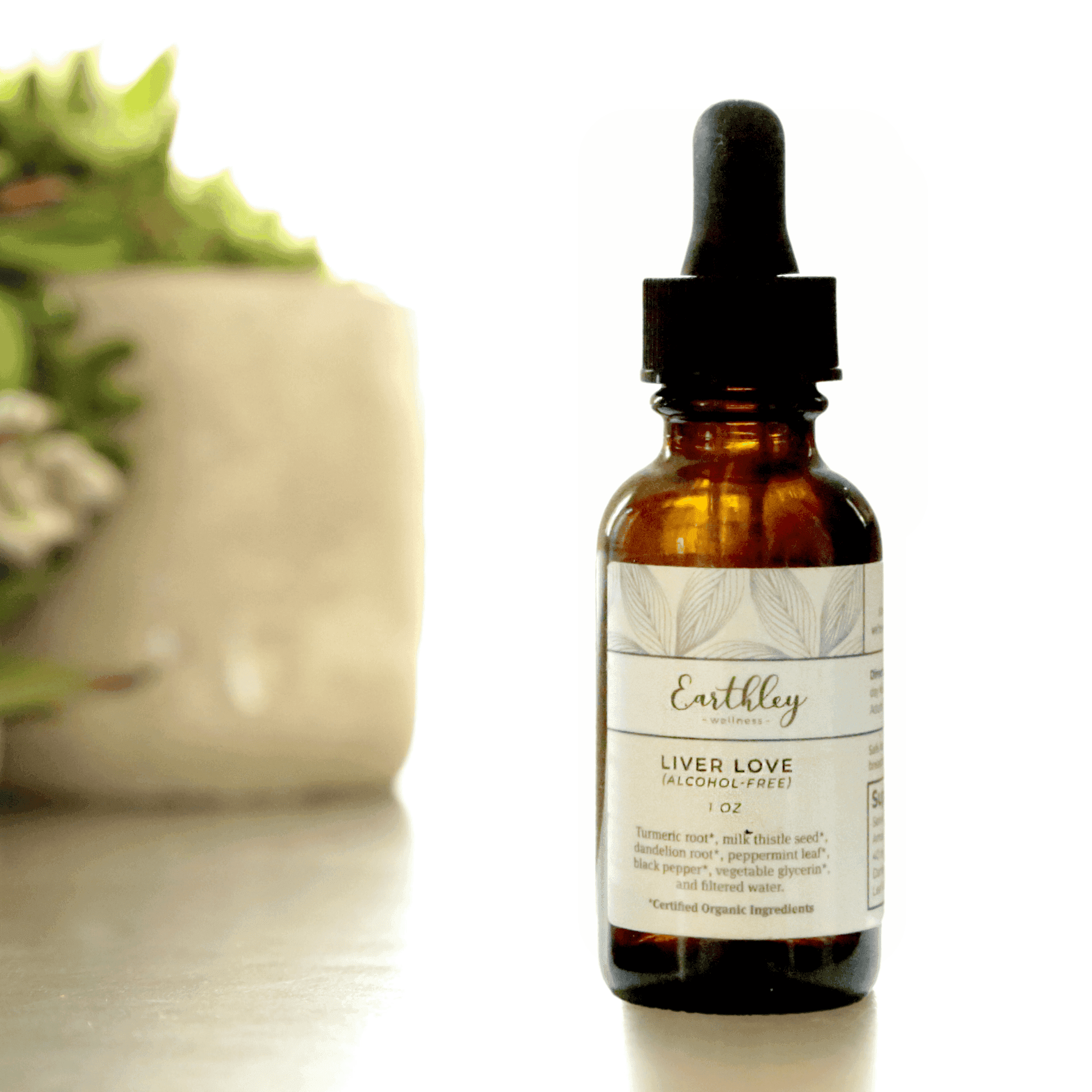
To support healthy liver function 🌿 30% off until 10/31
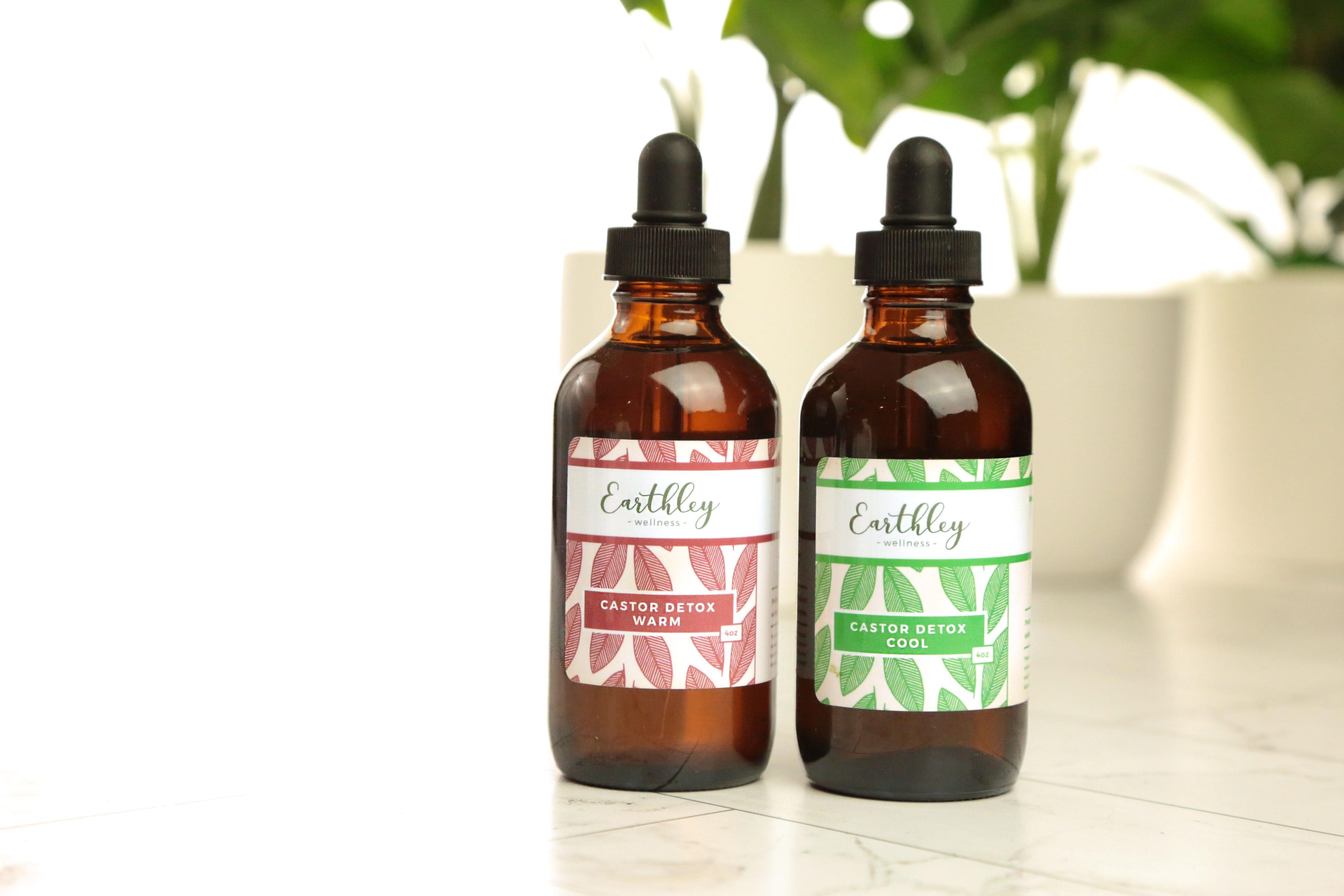
For lymphatic support
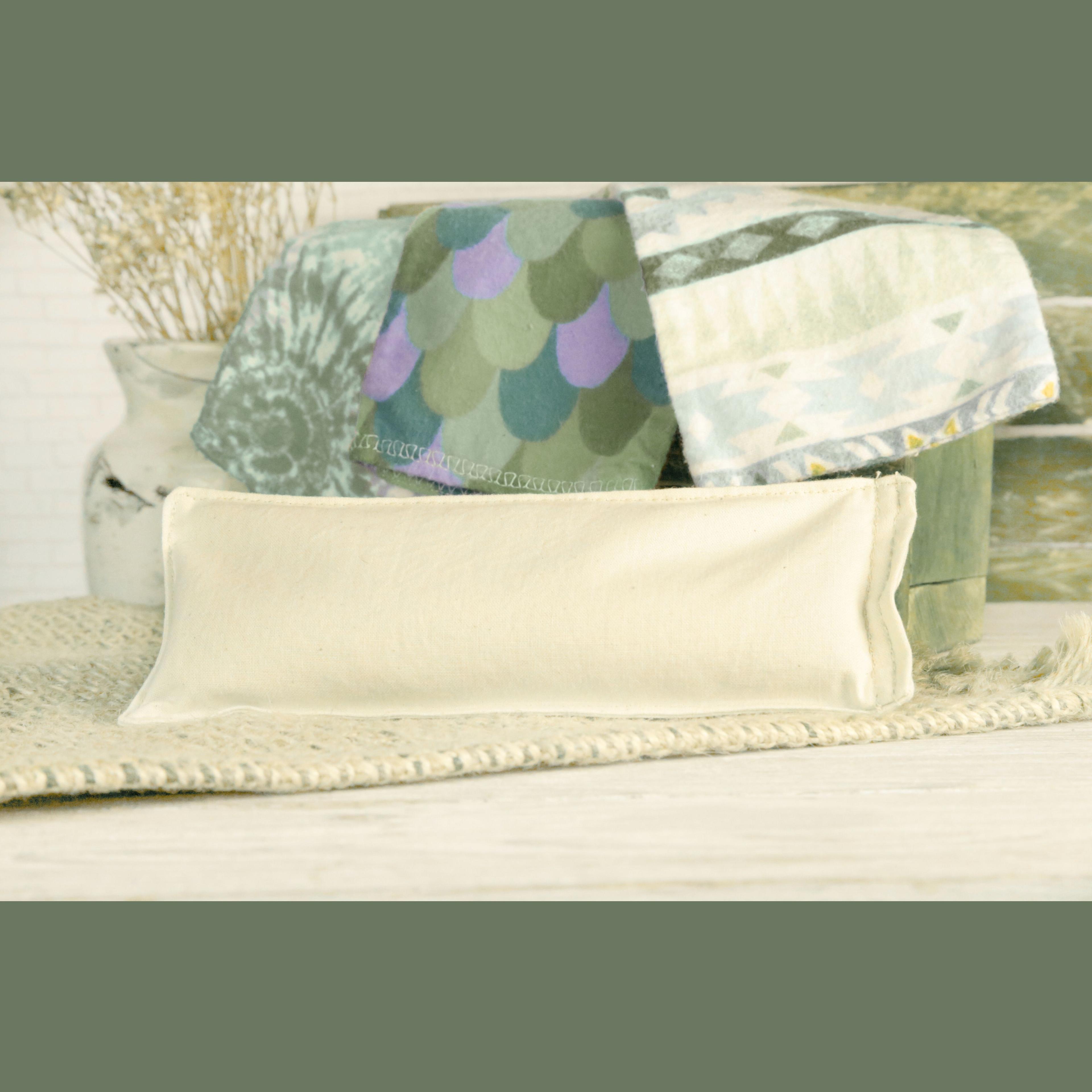
For gentle relaxation and ease
Whole, natural nutrition for HER
Stay Connected
Get updates and exclusive offers straight to your inbox.